


-
The Floating Seat and Back Sofa is a unique and iconic piece of furniture designed by the American furniture designer Vladimir Kagan. The sofa is known for its distinctive shape, which features a curved back and a seat that seems to be suspended in mid-air. This design element gives the sofa its name and creates a sense of weightlessness. The sofa is designed to be both comfortable and visually striking, with its unusual shape making it a focal point in any room.
The Vladimir Kagan Floating Sofa is often described as a perfect blend of form and function, as it not only looks great, but is also incredibly comfortable. The curved backrest provide support, while the suspended seat adds a level of softness and comfort. The piece is punctuated by beautiful solid walnut legs.
The Floating Sofa has become an icon of mid-century modern design and continues to be popular with collectors and design enthusiasts today. It's a testament to the enduring appeal of Vladimir Kagan's design aesthetic, which marries form and function in a way that is both visually striking and comfortable.
The sofa has been upholstered in a beautiful high quality Mohair from the Netherlands. If you would be interested in reupholstering, we can give you a quote.
Dimension: 90L x 54 D x 31 H
Seat Height: 17 H
Delivery within the contiguous USA is included in the price.
We ship internationally and can do incredible rates! Reach out to us at Nicole@hobbsmodern.com
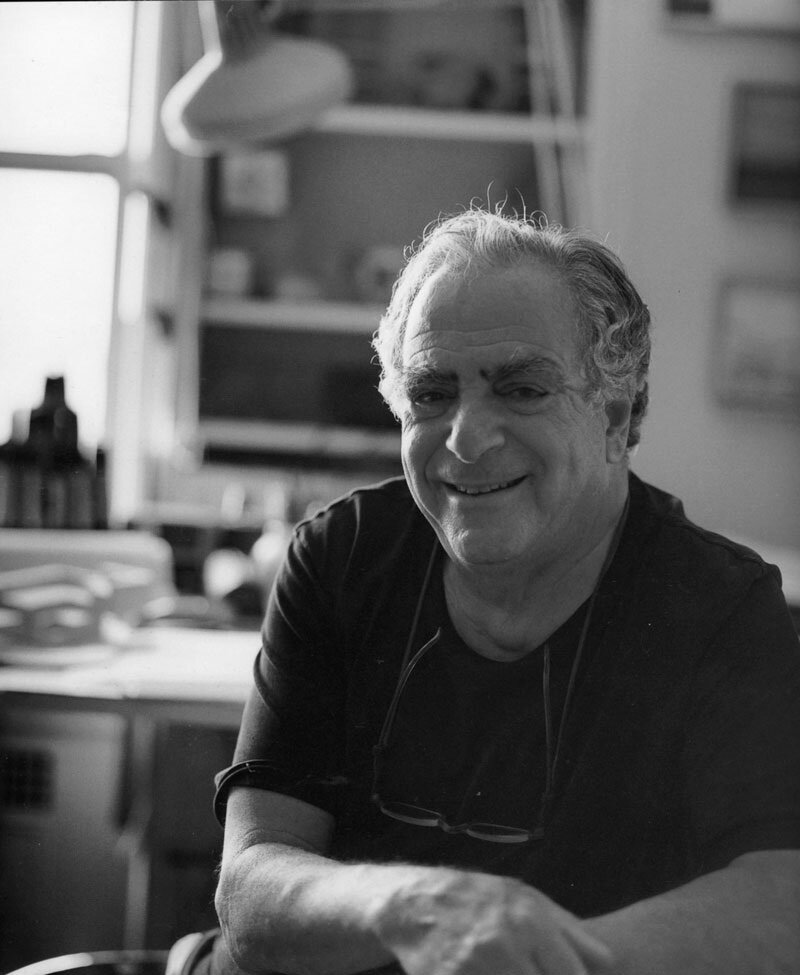
Vladimir Kagan 1927–2016
Vladimir Kagan was an illustrious American furniture designer whose historic career spanned nearly 65 years. Born in Germany in 1927, he immigrated with his family to the United States in 1938 fleeing from the rise of the Nazi regime. He studied architecture at Columbia and later apprenticed with his father, a master cabinetmaker, in his woodworking shop. In 1949, Kagan opened his own shop in New York, shortly thereafter releasing his first furniture collection, receiving the Museum of Modern Art, New York Vladimir Kagan was an illustrious American furniture designer whose historic career spanned nearly 65 years. Born in Germany in 1927, he immigrated with his family to the United States in 1938 fleeing from the rise of the Nazi regime. He studied architecture at Columbia and later apprenticed with his father, a master cabinetmaker, in his woodworking shop. In 1949, Kagan opened his own shop in New York, shortly thereafter releasing his first furniture collection, receiving the Museum of Modern Art, New York Good Design Award for his wrought-iron chair. His work is well-known for its avant-garde craftsmanship combined with comfort and functionality. The sensuous, organic forms take on human-like characteristics through exaggerated, curved lines. Kagan’s designs are produced with varying materials including brass, acrylic, aluminum and, most notably, wood.Over the course of his career, his work was highly sought after by celebrity clientele from Marilyn Monroe to Tom Ford, and he lent his design to projects such as Disneyland’s Monsanto House of the Future in 1964 and the Downtown Los Angeles Standard Hotel lobby redesign in 2002. Kagan lectured extensively on the history of modern furniture design at institutions including Parsons School of Design, Yale and Philadelphia University. A highly honored designer, he was elected president of the American Society of Interior Designers New York Chapter in 1990, and received the Lifetime Achievement Award from the Brooklyn Museum of Art, Cooper-Hewitt Design Museum, and the American Society of Furniture Designers. In 2009, Kagan was inducted into the Interior Designer Hall of Fame.
Vladimir Kagan died in 2016, leaving behind an artistic legacy and lifetime of creative achievement.
The Floating Seat and Back Sofa is a unique and iconic piece of furniture designed by the American furniture designer Vladimir Kagan. The sofa is known for its distinctive shape, which features a curved back and a seat that seems to be suspended in mid-air. This design element gives the sofa its name and creates a sense of weightlessness. The sofa is designed to be both comfortable and visually striking, with its unusual shape making it a focal point in any room.
The Vladimir Kagan Floating Sofa is often described as a perfect blend of form and function, as it not only looks great, but is also incredibly comfortable. The curved backrest provide support, while the suspended seat adds a level of softness and comfort. The piece is punctuated by beautiful solid walnut legs.
The Floating Sofa has become an icon of mid-century modern design and continues to be popular with collectors and design enthusiasts today. It's a testament to the enduring appeal of Vladimir Kagan's design aesthetic, which marries form and function in a way that is both visually striking and comfortable.
The sofa has been upholstered in a beautiful high quality Mohair from the Netherlands. If you would be interested in reupholstering, we can give you a quote.
Dimension: 90L x 54 D x 31 H
Seat Height: 17 H
Delivery within the contiguous USA is included in the price.
We ship internationally and can do incredible rates! Reach out to us at Nicole@hobbsmodern.com
Vladimir Kagan 1927–2016
Over the course of his career, his work was highly sought after by celebrity clientele from Marilyn Monroe to Tom Ford, and he lent his design to projects such as Disneyland’s Monsanto House of the Future in 1964 and the Downtown Los Angeles Standard Hotel lobby redesign in 2002. Kagan lectured extensively on the history of modern furniture design at institutions including Parsons School of Design, Yale and Philadelphia University. A highly honored designer, he was elected president of the American Society of Interior Designers New York Chapter in 1990, and received the Lifetime Achievement Award from the Brooklyn Museum of Art, Cooper-Hewitt Design Museum, and the American Society of Furniture Designers. In 2009, Kagan was inducted into the Interior Designer Hall of Fame.
Vladimir Kagan died in 2016, leaving behind an artistic legacy and lifetime of creative achievement.
See why our clients trust Hobbs Modern:

Wood Care
Keep the furniture in a cool, dry place
Avoid furniture's direct exposure to rain, sun or wind
Avoid placing hot objects directly on the piece to prevent undesirable marks or permanent circles.
Avoid placing objects that may cause scratches to the surface
Clean using water only in small quantities and apply it with soft, damp cloth
After damp cloth wipe with a soft, dry cloth
You can use other liquids that are especially for cleaning wood furniture. Take into account the type of wood and follow the manufacturer's instructions

Upholstery Care
Do not expose directly to sunlight to provide greater durability colors
Exchange both side pads, the seat and backrest, to obtain uniform wear
Shake the cushions regularly to remove dust and to maintain the stability of the form
Clean regularly with a vacuum cleaner in good condition
Use a textile fabric cleaning substance according to and following the manufacturer's instructions

Sell your mid-century piece