Table of Contents
We hear often - does restoration of mid century modern furniture diminish value?
Short answer: no, not when it’s done correctly. In many cases, thoughtful restoration actually protects or increases value.
The longer, more honest answer looks like this.
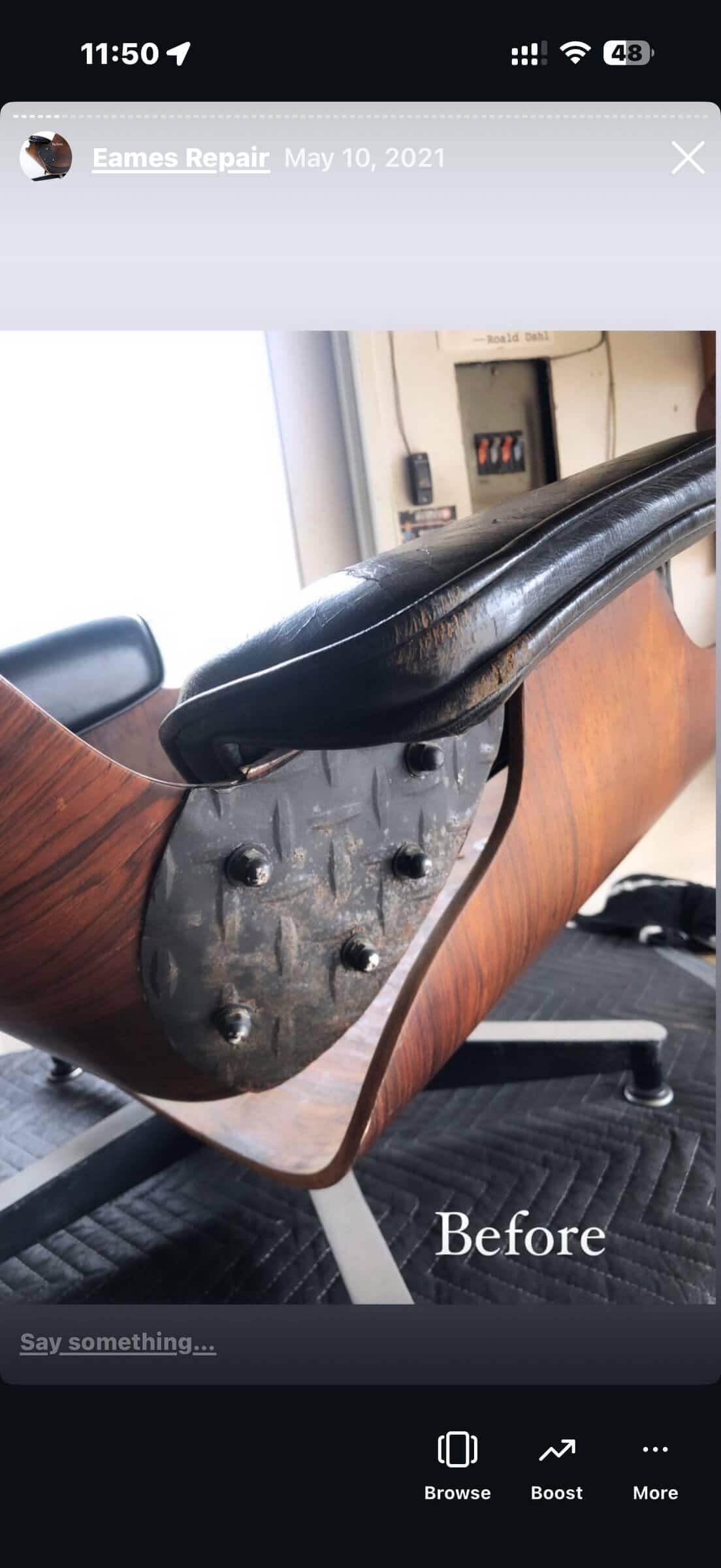
What does diminish value
Value drops when restoration:
Erases original intent (wrong finishes, incorrect materials, modern shortcuts)
Over-refinishes (thick, glossy coatings that bury grain and edges)
Changes proportions or details (reshaped edges, replaced hardware that doesn’t match era)
Prioritizes “new-looking” over “correct”
This is the kind of work collectors recoil from. It strips a piece of its voice.
What preserves or increases value
Value is preserved, and often improved, when restoration:
Stabilizes structure (tight joints, repaired frames, functioning mechanisms)
Uses period-appropriate materials and finishes
Respects the original maker’s philosophy
Returns function without erasing age
Mid-century furniture was built to be used. Chairs were meant to be sat in. Tables were meant to expand, contract, and hold meals. A piece that no longer functions correctly is already losing value.
The collector’s reality
Most serious collectors and designers understand this:
A Finn Juhl chair with failing upholstery is not “more valuable” because it’s untouched.
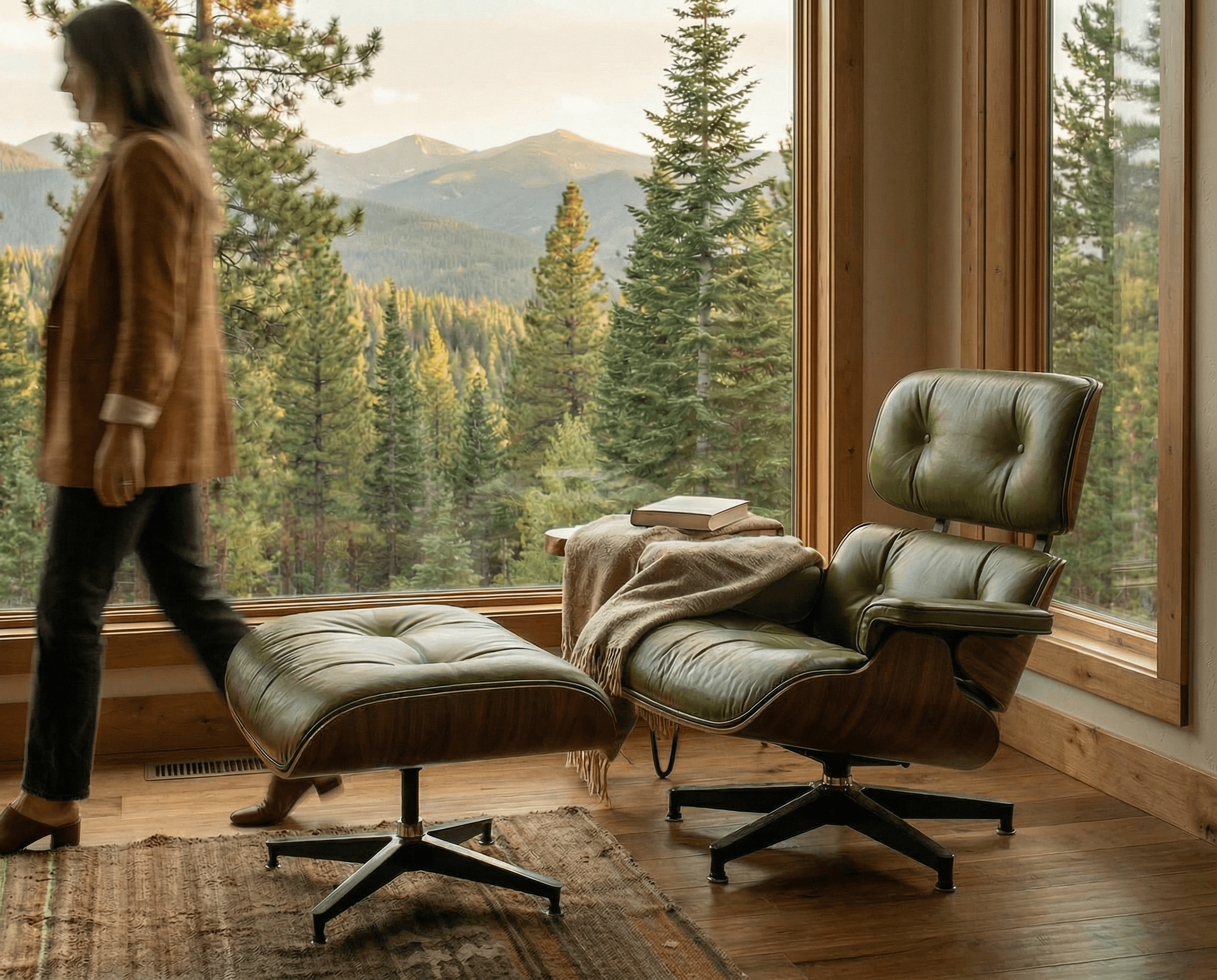
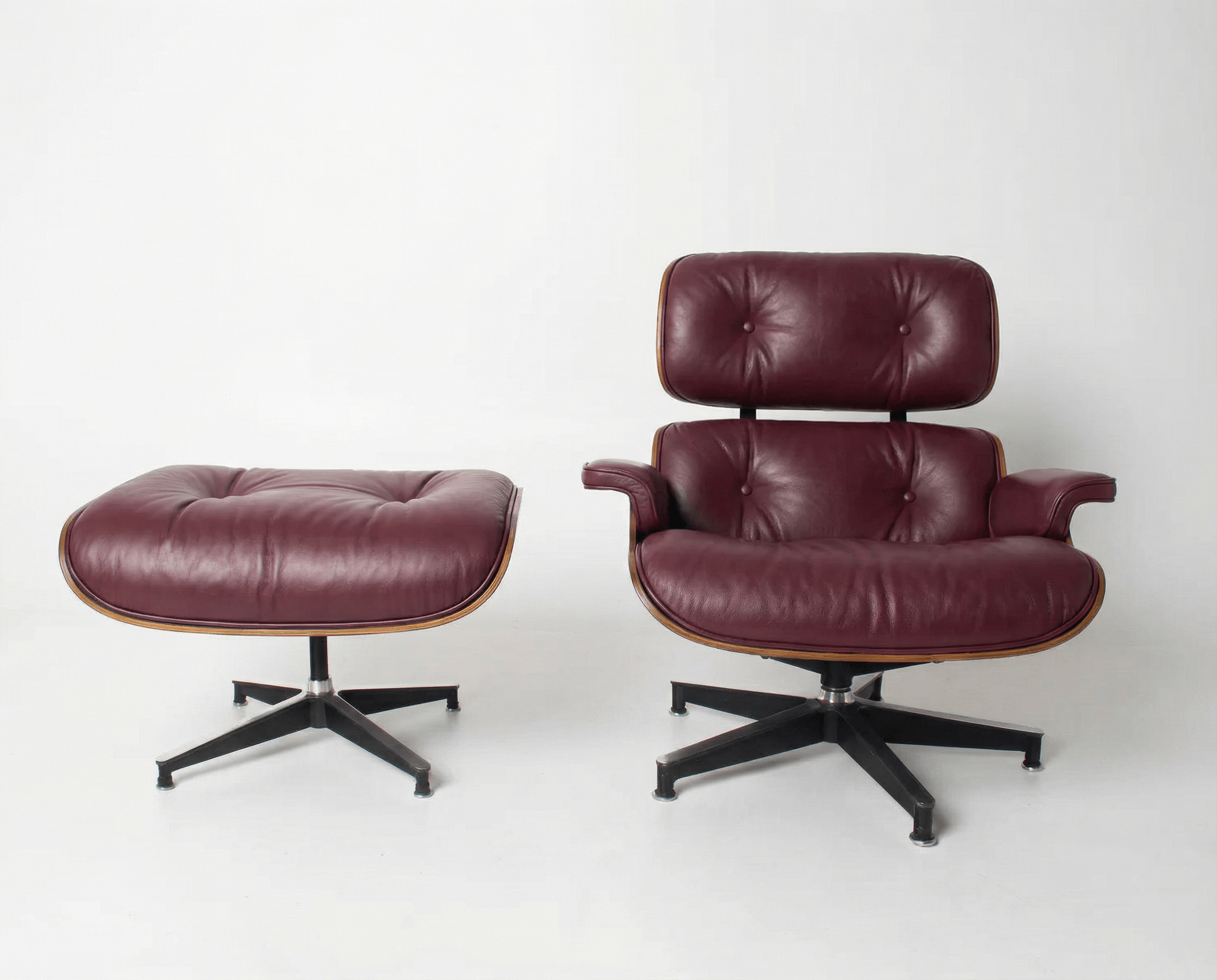
An Eames Lounge Chair with dried shock mounts is not “original” in any meaningful way if it’s structurally compromised.
Correct restoration is not cosmetic. It’s stewardship.
The materials matter
Many mid-century pieces were made from materials we simply cannot source today:
Old-growth teak and walnut
Brazilian rosewood (now protected)
Hand-formed veneers and joinery
When restoration is done carefully, it extends the life of irreplaceable materials, which is part of what gives these pieces their long-term value.
Where originality still counts
There are exceptions:
Museum-grade, never-used examples
Rare prototypes or historically unique pieces
Those belong in climate-controlled rooms, not living rooms. Most furniture does not live in that category.
The bottom line
Bad restoration diminishes value
Good restoration preserves it
Great restoration honors the piece and keeps it relevant
The goal isn’t to make mid-century furniture look new.
It’s to make it right again.
Early 1st Generation Eames Lounge Chair and Ottoman in Rosewood and Black Leather by Herman Miller
$13,495.00
Early 1956 Eames Lounge Chair and Ottoman in Rosewood and Black Italian Leather A true collector’s piece and one of the most coveted icons of 20th-century design, this early 1956 Eames Lounge Chair and Ottoman represents the very first chapter… read more