Table of Contents
- What Defines a Mid-Century Modern House?
- Mid-Century Modern vs. Contemporary
- Mid-Century Modern vs. Craftsman
- Mid-Century Modern vs. Traditional Homes
- Signature Architectural Features of Mid-Century Modern Homes
- Notable Mid-Century Modern House Architects
- Richard Neutra
- Joseph Eichler
- John Lautner
- Pierre Koenig
- Mid-Century Modern House Plans: What to Look For
- How to Find a Mid-Century Modern House for Sale Near You
- Buyer's Checklist: Evaluating an Authentic Mid-Century Modern Home
- Architectural Authenticity
- Restoration Quality
- Red Flags
- Furnishing Your Mid-Century Modern Home Authentically
- FAQs
Walk through a truly exceptional mid-century modern home, and you’ll notice something almost immediately. The house doesn’t compete with its surroundings—it celebrates them. Sunlight pours through walls of glass, warm wood tones soften clean architectural lines, and every room feels intentionally connected to the landscape beyond.
That harmony is what has made mid-century modern architecture one of the most sought-after design movements in the world. More than seventy years after its emergence, authentic mid-century modern homes continue to command premium prices, attract passionate collectors, and inspire architects designing homes today.
Whether you’re searching for an Eichler in California, a Richard Neutra masterpiece, or simply hoping to recognize an authentic mid-century home when you see one, understanding the defining characteristics of the style is essential.
What Defines a Mid-Century Modern House?
A mid-century modern house is an architectural style developed primarily between the mid-1940s and early 1970s that emphasizes simplicity, functionality, natural light, and a seamless relationship between indoor and outdoor living.
Unlike ornate traditional homes, mid-century modern houses rely on thoughtful proportions, honest materials, and clean geometry rather than decoration. Every design decision serves a purpose.
Authentic examples typically feature:
- Flat or gently sloping rooflines
- Expansive glass walls
- Open-concept floor plans
- Natural wood and stone
- Minimal ornamentation
- Strong indoor-outdoor connections
- Built-in cabinetry and custom millwork
- Careful orientation to maximize natural light
The Origins of Mid-Century Modern Architecture
Mid-century modern architecture emerged from a unique moment in history.
Following World War II, America experienced rapid population growth, expanding suburbs, technological innovation, and renewed optimism. Architects sought to create homes that reflected this new way of living.
Rather than reproducing historical European styles, designers embraced modern construction techniques, simplified forms, and functional planning.
The movement drew heavily from several influences:
- The Bauhaus School
- Scandinavian modernism
- Japanese architecture
- Frank Lloyd Wright’s organic philosophy
- Advances in steel, concrete, and engineered wood construction
The result was an architecture focused on clarity instead of complexity.
Affordable production methods also allowed thoughtful modern design to reach ordinary families, particularly through developments like Joseph Eichler’s California neighborhoods.
From the late 1940s through the early 1970s, these ideas reshaped residential architecture across the United States.
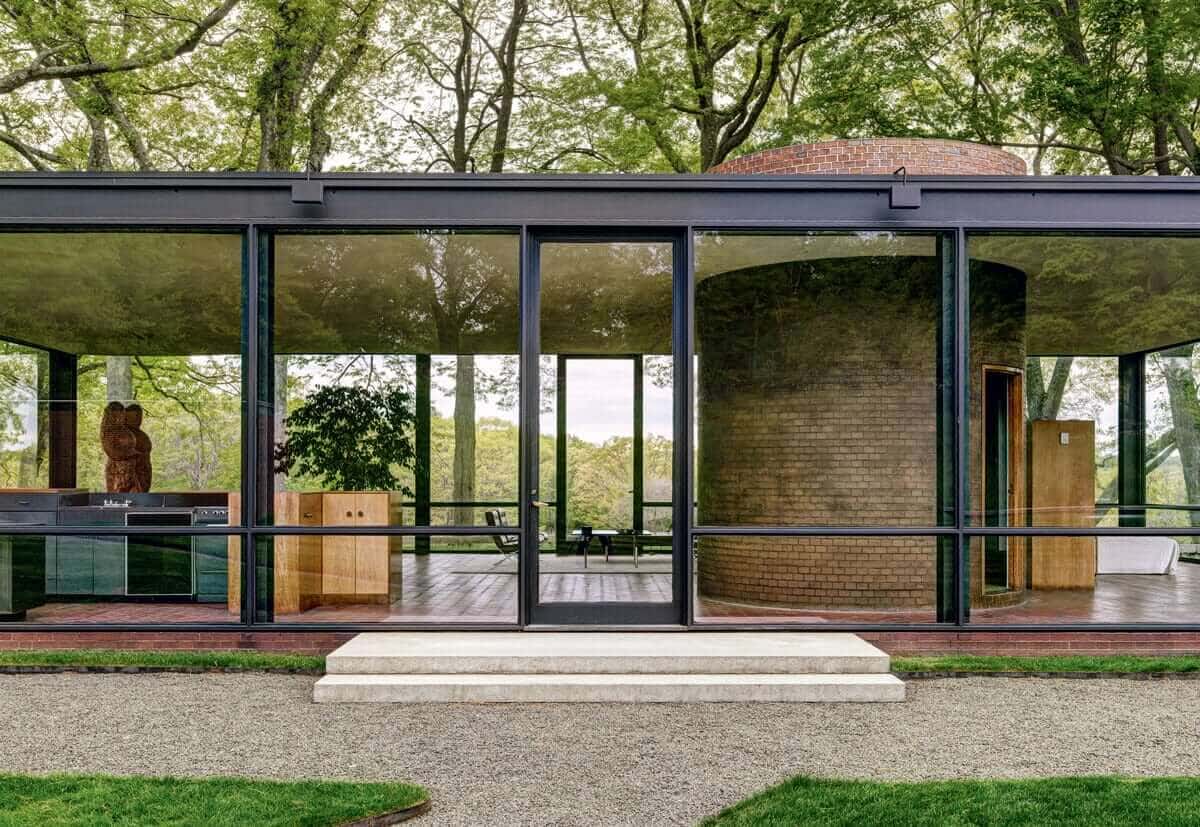
How It Differs from Other Architectural Styles
Many homes today are described as “mid-century modern,” but genuine examples possess qualities that separate them from later interpretations.
Mid-Century Modern vs. Contemporary
Contemporary architecture changes with current design trends.
Mid-century modern architecture refers to a specific historical period with identifiable design principles, materials, and proportions.
A contemporary home may borrow flat roofs and large windows without preserving the original philosophy of simplicity and integration with nature.
Mid-Century Modern vs. Craftsman
Craftsman homes celebrate visible craftsmanship through exposed beams, decorative brackets, detailed trim, and compartmentalized rooms.
Mid-century modern homes simplify these elements, replacing ornament with clean structural expression and open living spaces.
Mid-Century Modern vs. Traditional Homes
Traditional homes often emphasize symmetry, formal rooms, decorative moldings, and historical references.
Mid-century homes reject unnecessary decoration in favor of functionality, openness, and natural light.
The difference is immediately noticeable when you walk inside.
Signature Architectural Features of Mid-Century Modern Homes
Authentic mid-century modern houses share several defining architectural characteristics.
These features work together rather than independently, creating homes that feel remarkably cohesive decades later.
Flat and Low-Pitched Rooflines
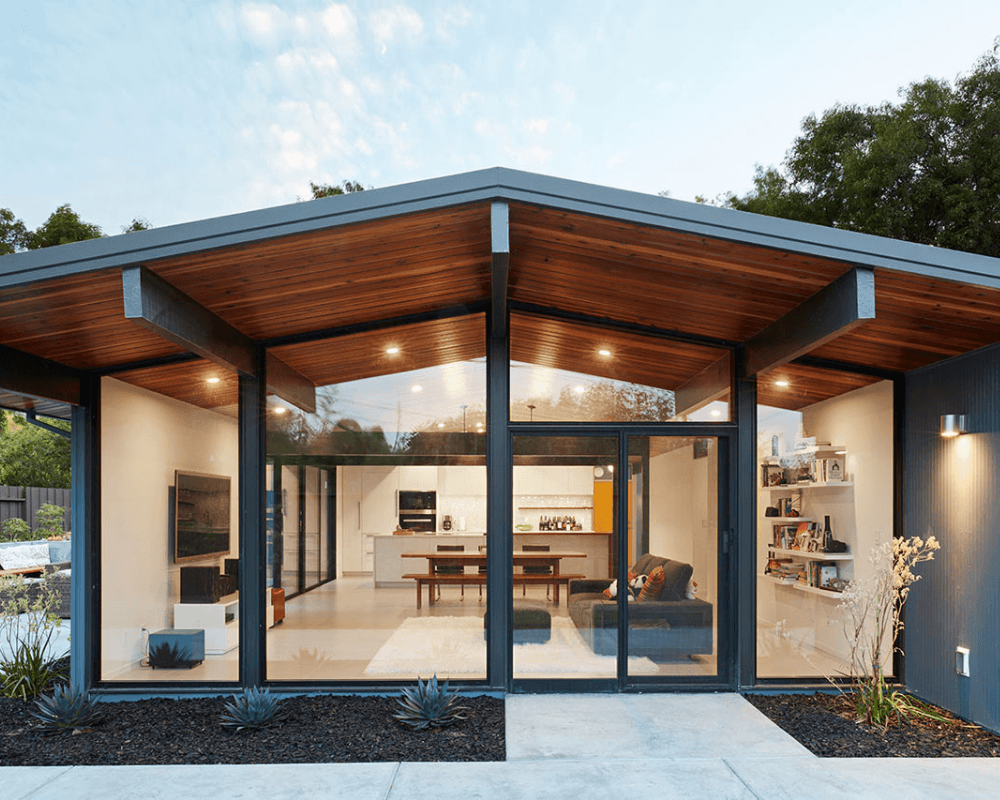
One of the easiest ways to recognize a mid-century modern house is its roof.
Instead of steep gables, these homes commonly feature:
- Flat roofs
- Butterfly roofs
- Low-pitched rooflines
- Broad overhangs
- Deep eaves
These roof forms emphasize long horizontal proportions that visually connect the home to the surrounding landscape.
Original roofs require careful maintenance today, particularly proper drainage and waterproofing, but preserving these architectural details greatly enhances authenticity and long-term value.
Open-Concept Floor Plans
Long before open-concept living became fashionable again, mid-century architects were removing unnecessary walls.
Living rooms, dining areas, and kitchens were designed to flow naturally into one another.
Benefits include:
- Better natural light
- Improved entertaining
- Flexible furniture arrangements
- Strong visual continuity
- Spacious feeling without excessive square footage
Even relatively modest mid-century homes often feel much larger because of their thoughtful layouts.
Floor-to-Ceiling Glass and Clerestory Windows
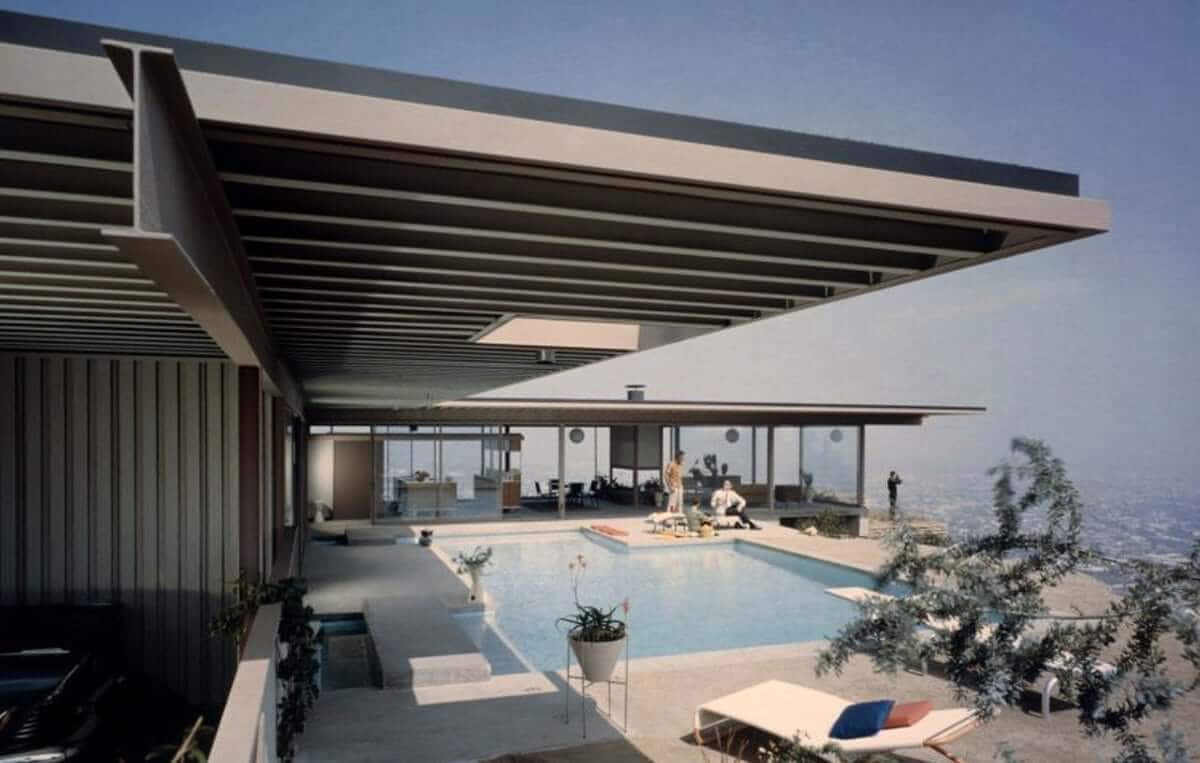
Perhaps no feature defines mid-century modern architecture more than glass.
Large expanses of glazing dissolve the boundary between indoors and outdoors.
Common elements include:
- Floor-to-ceiling windows
- Sliding glass walls
- Clerestory windows
- Corner glazing
- Glass doors opening to patios
Clerestory windows—those narrow windows positioned high along the wall—allow abundant daylight while preserving privacy.
When evaluating an original home, buyers should inspect:
- Original aluminum window systems
- Seal condition
- Thermal performance
- Replacement quality if windows have been updated
Well-executed restorations preserve the original appearance while improving energy efficiency.
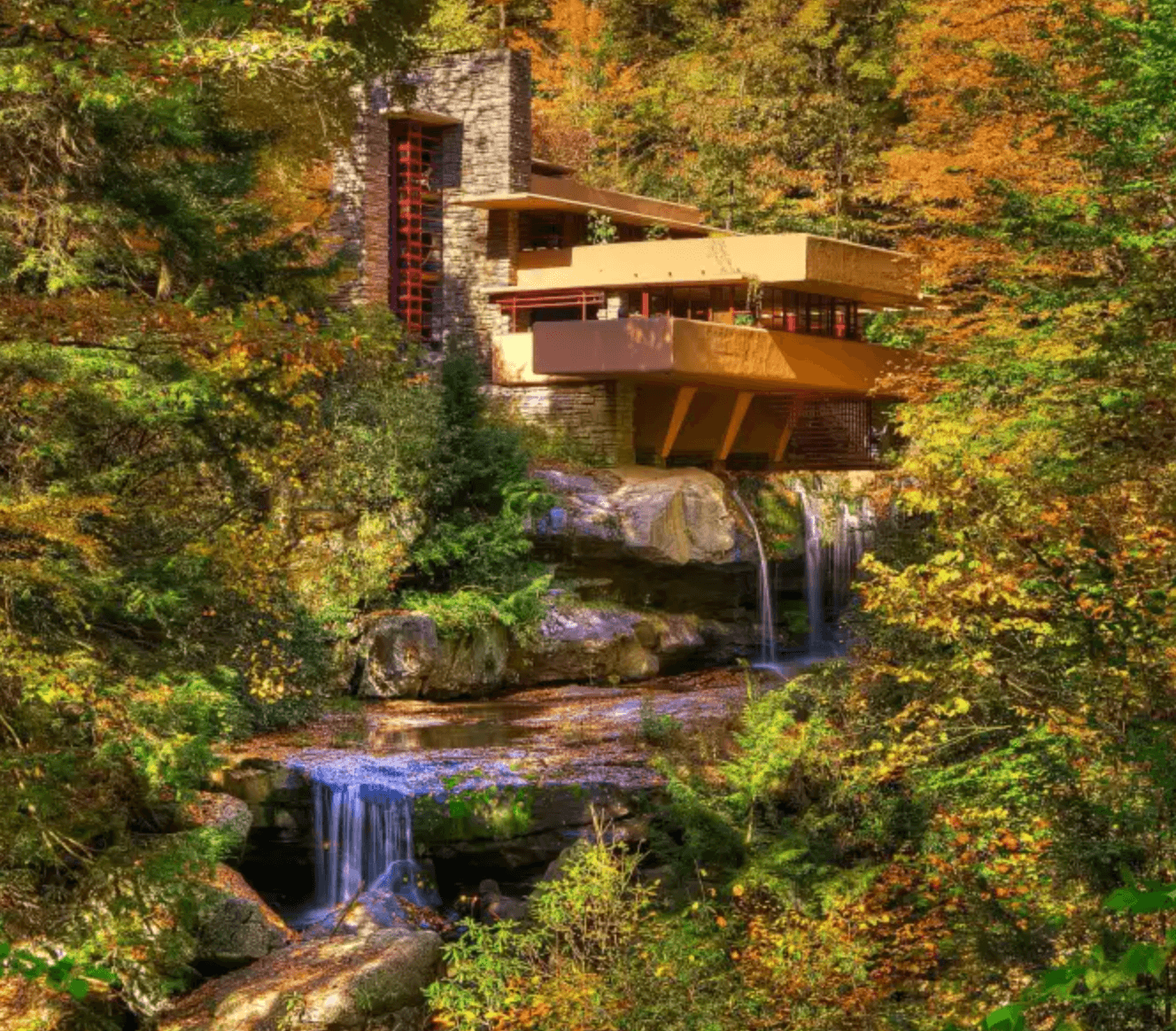
Integration with the Natural Landscape
Unlike many earlier architectural styles, mid-century modern homes were designed specifically for their sites.
Architects carefully considered:
- Sun orientation
- Existing trees
- Views
- Prevailing breezes
- Privacy
- Topography
Outdoor courtyards become extensions of living spaces.
Patios feel like additional rooms.
Glass walls frame gardens as living artwork.
This philosophy remains one of the defining characteristics that distinguishes authentic mid-century architecture from simple modern construction.
Use of Natural and Industrial Materials
Mid-century architects celebrated materials for what they naturally are.
Rather than concealing structure beneath ornament, they allowed wood, stone, concrete, brick, and steel to express their inherent beauty.
Common materials include:
- Walnut
- Teak
- Douglas fir
- Redwood
- Limestone
- Concrete block
- Exposed steel
- Brick
- Glass
These materials develop rich character over time.
Collectors often appreciate original wood paneling, natural stone fireplaces, and exposed beams because they preserve the home’s architectural integrity.
Notable Mid-Century Modern House Architects
Several visionary architects shaped the movement and continue to influence residential design today.
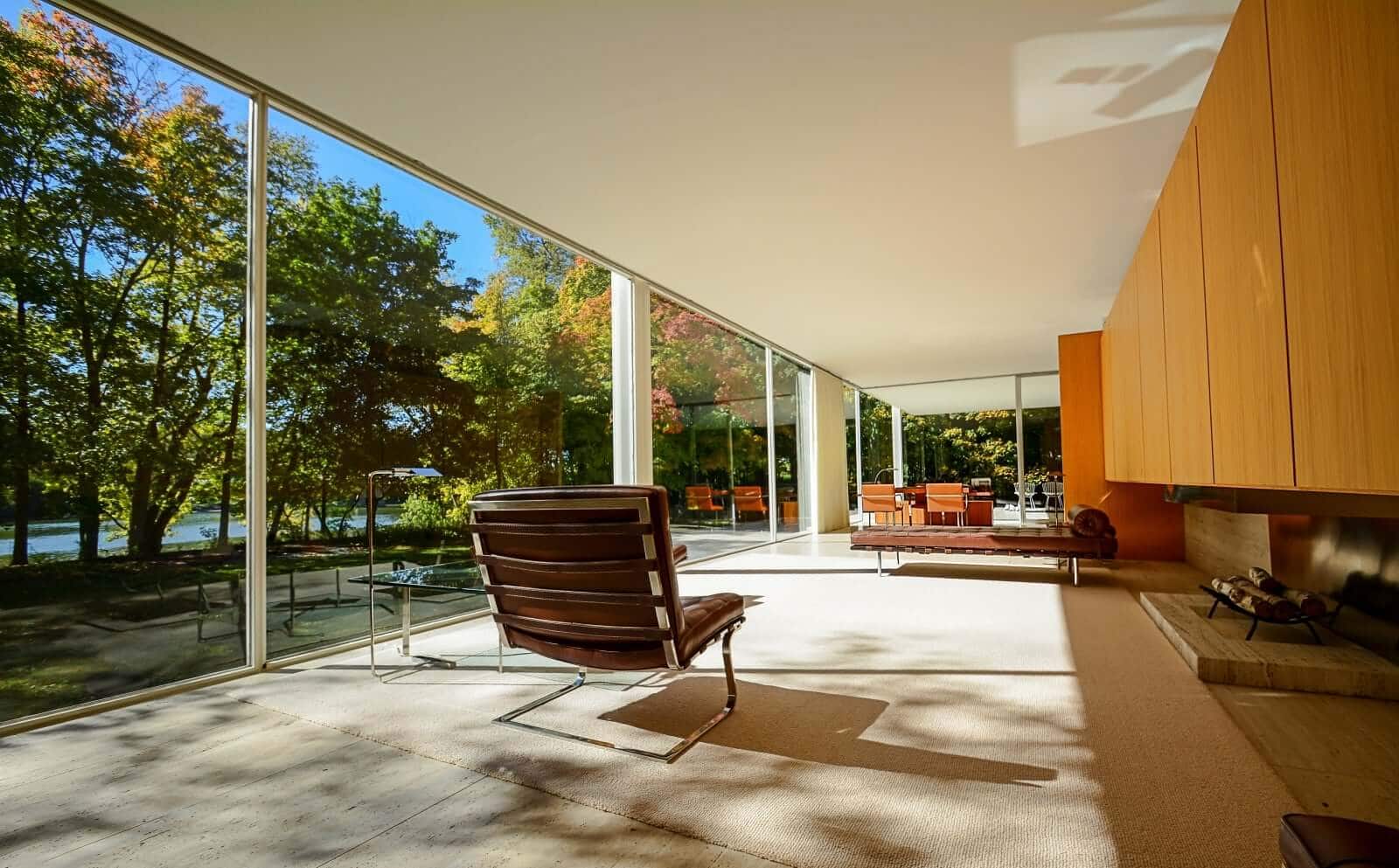
Richard Neutra
Known for elegant minimalism and extraordinary relationships between architecture and nature, Neutra’s homes remain among the most collectible residential properties in America.
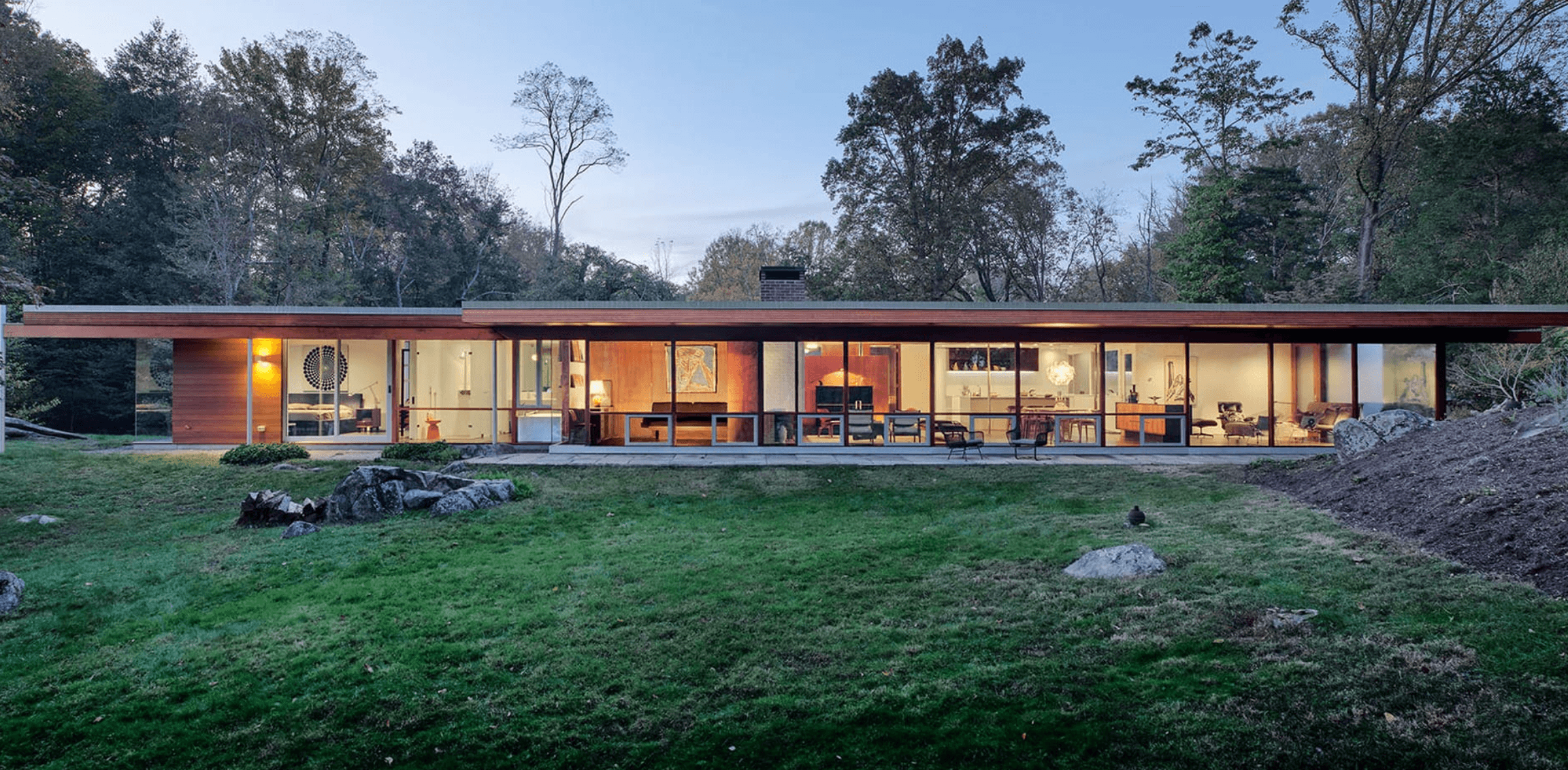
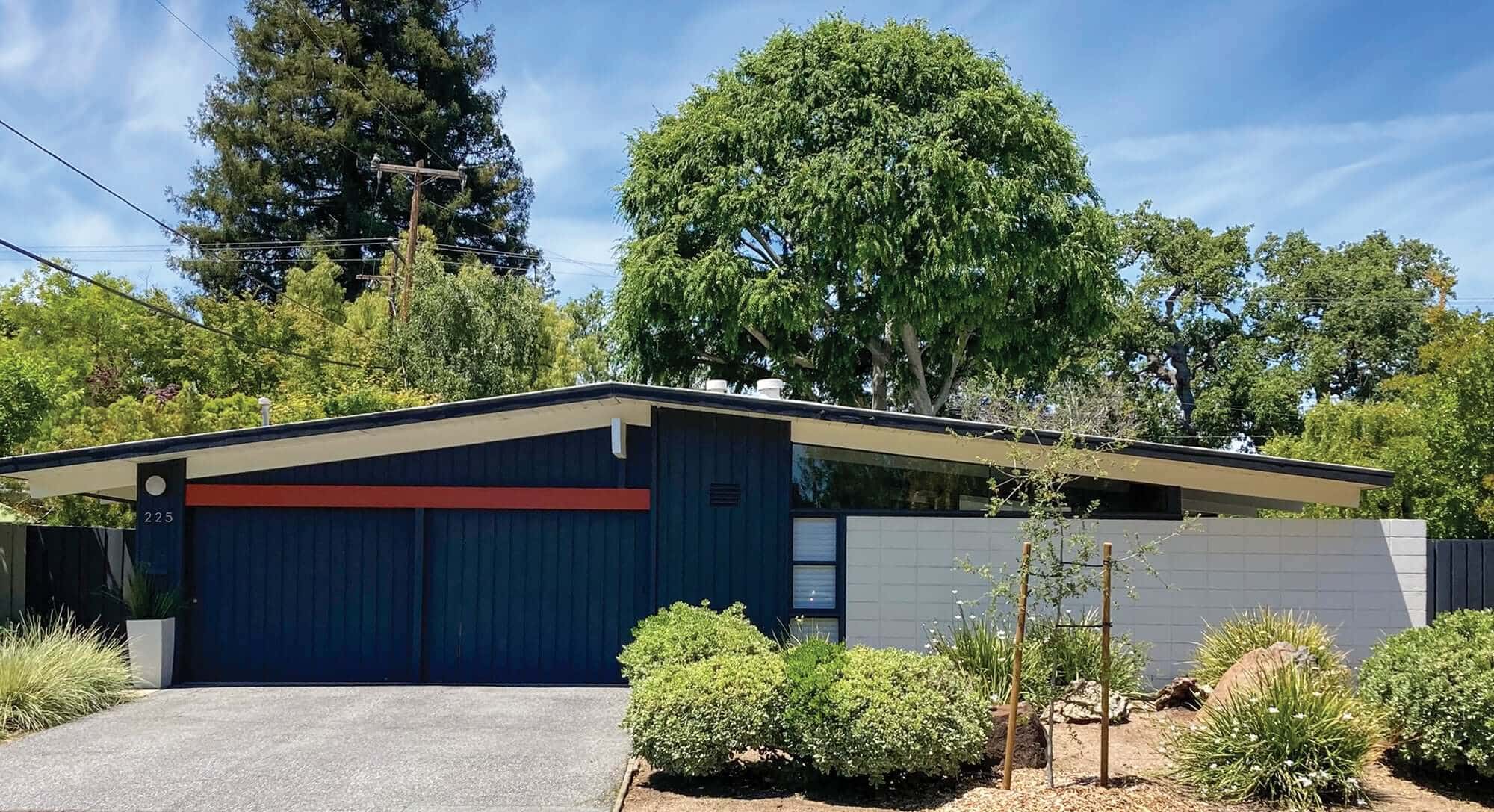
Joseph Eichler
Although not an architect himself, developer Joseph Eichler commissioned leading modern architects to design thousands of accessible mid-century homes throughout California.
Today, Eichler neighborhoods remain highly sought after.
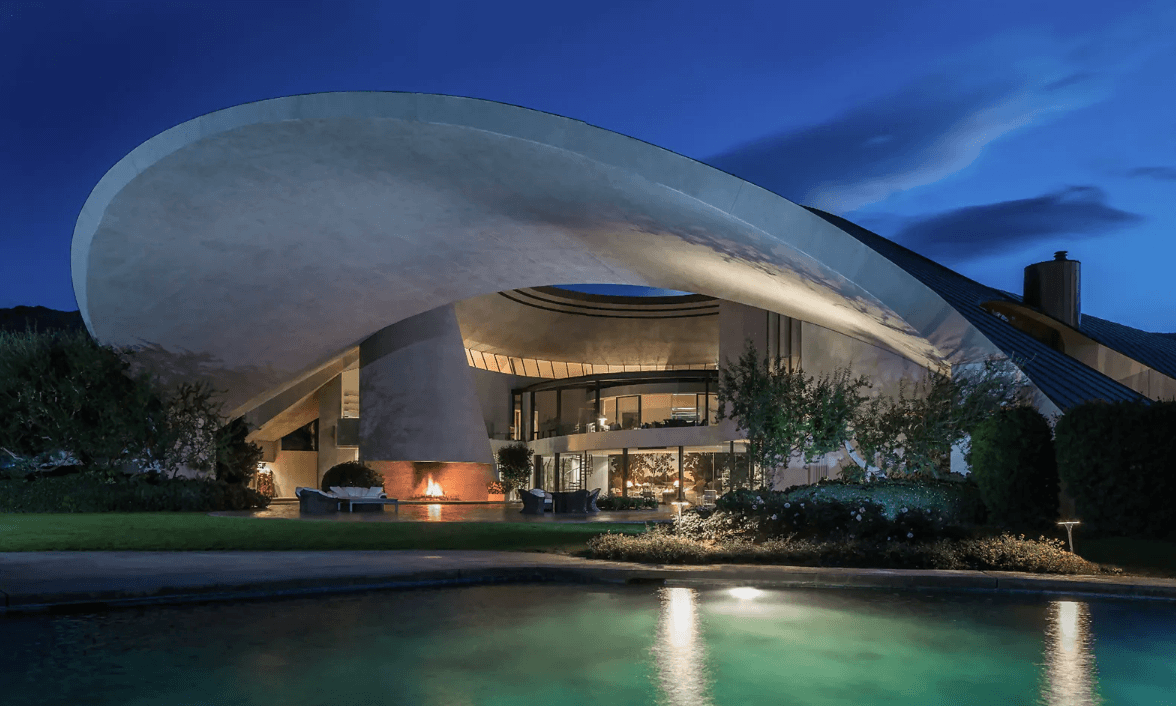
John Lautner
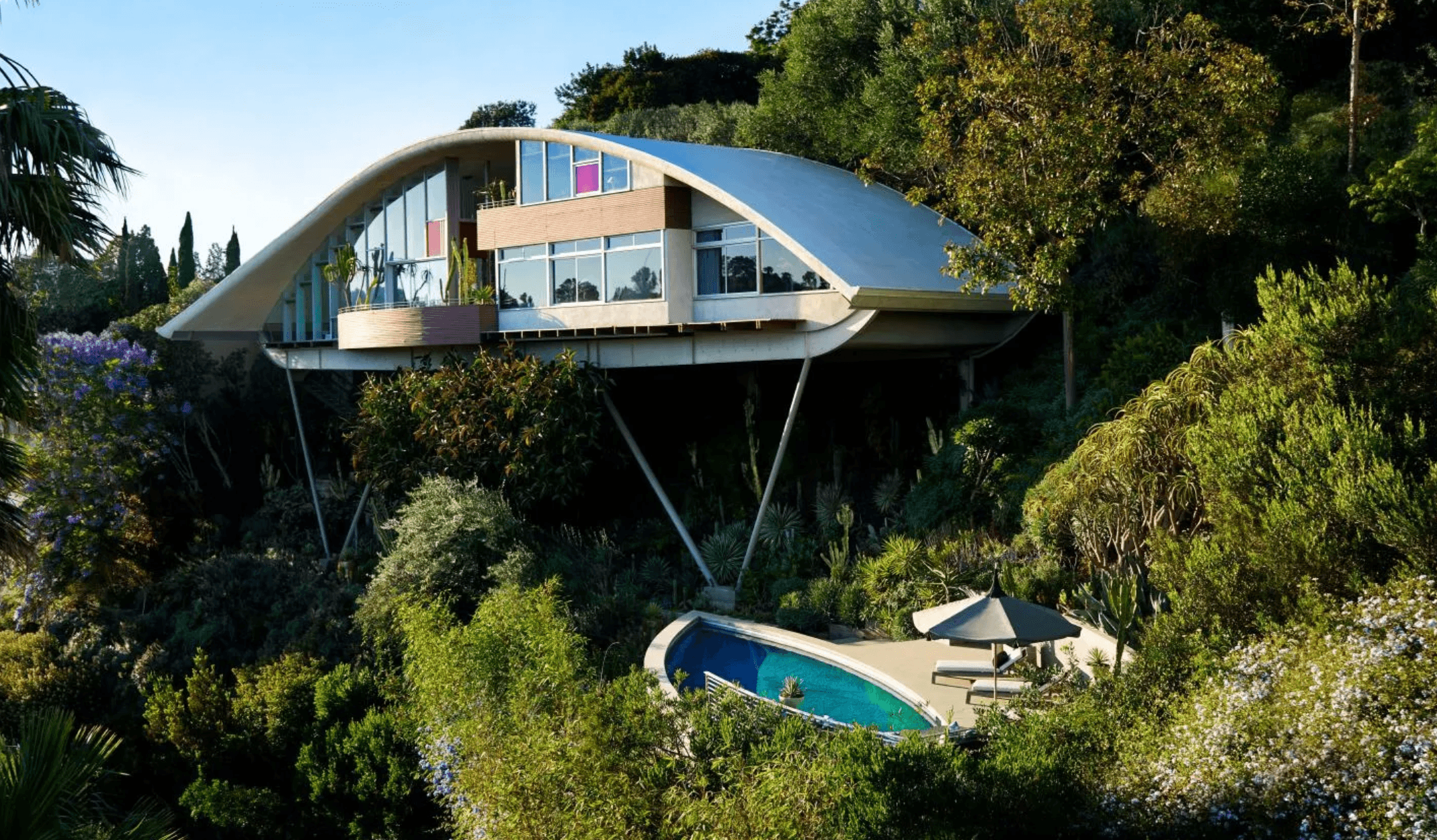
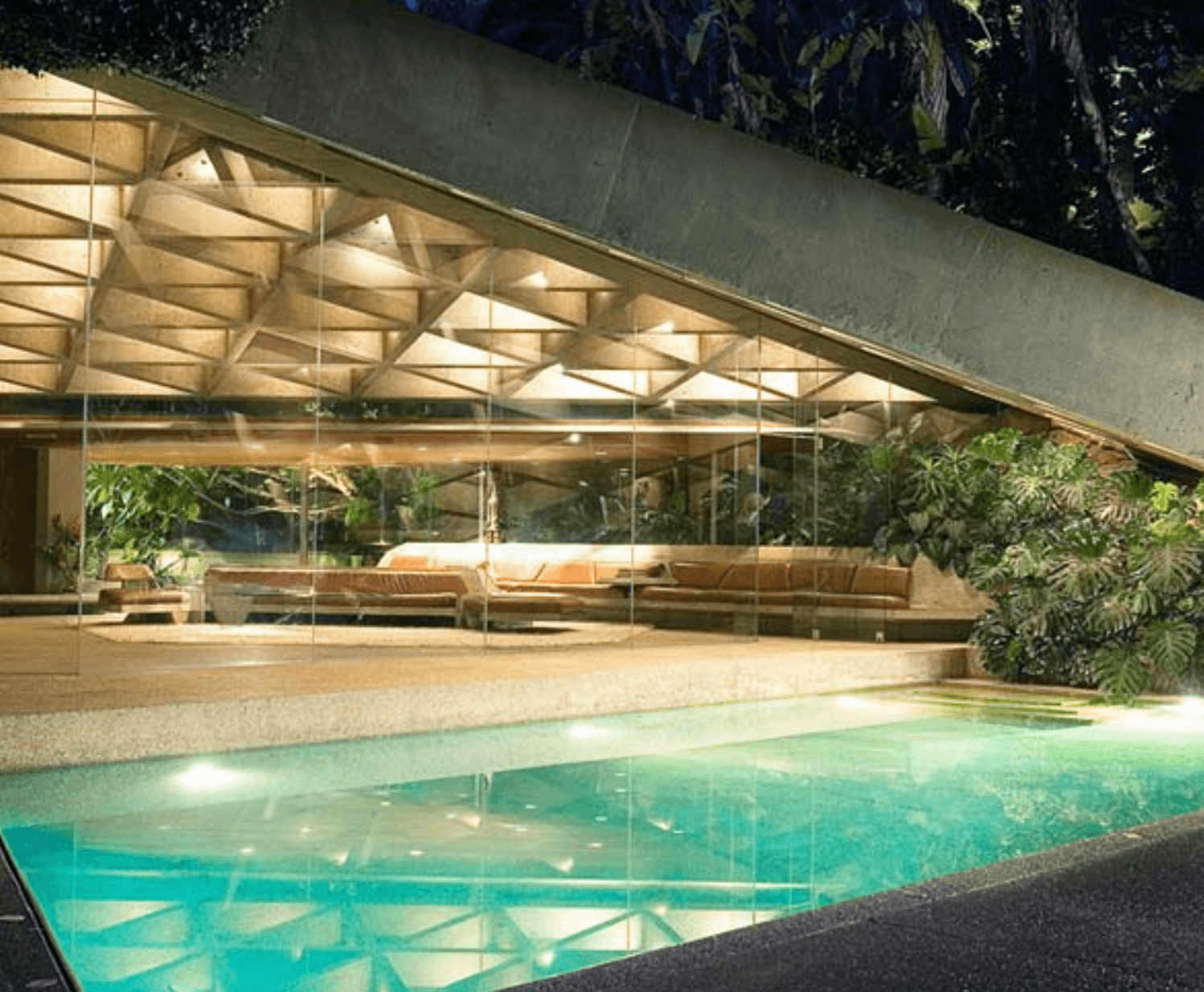
A student of Frank Lloyd Wright, Lautner created some of the most dramatic and sculptural homes of the twentieth century, often pushing engineering to remarkable limits.
Pierre Koenig
Koenig became internationally recognized through the Case Study House Program.
His iconic steel-and-glass residences, particularly Case Study House No. 22 (the Stahl House), represent the pinnacle of California modernism.
Other influential names include:
- Charles and Ray Eames
- Craig Ellwood
- Raphael Soriano
- Donald Wexler
- William Krisel
- A. Quincy Jones
Homes designed by these architects frequently command substantial premiums due to their historical significance and architectural provenance.
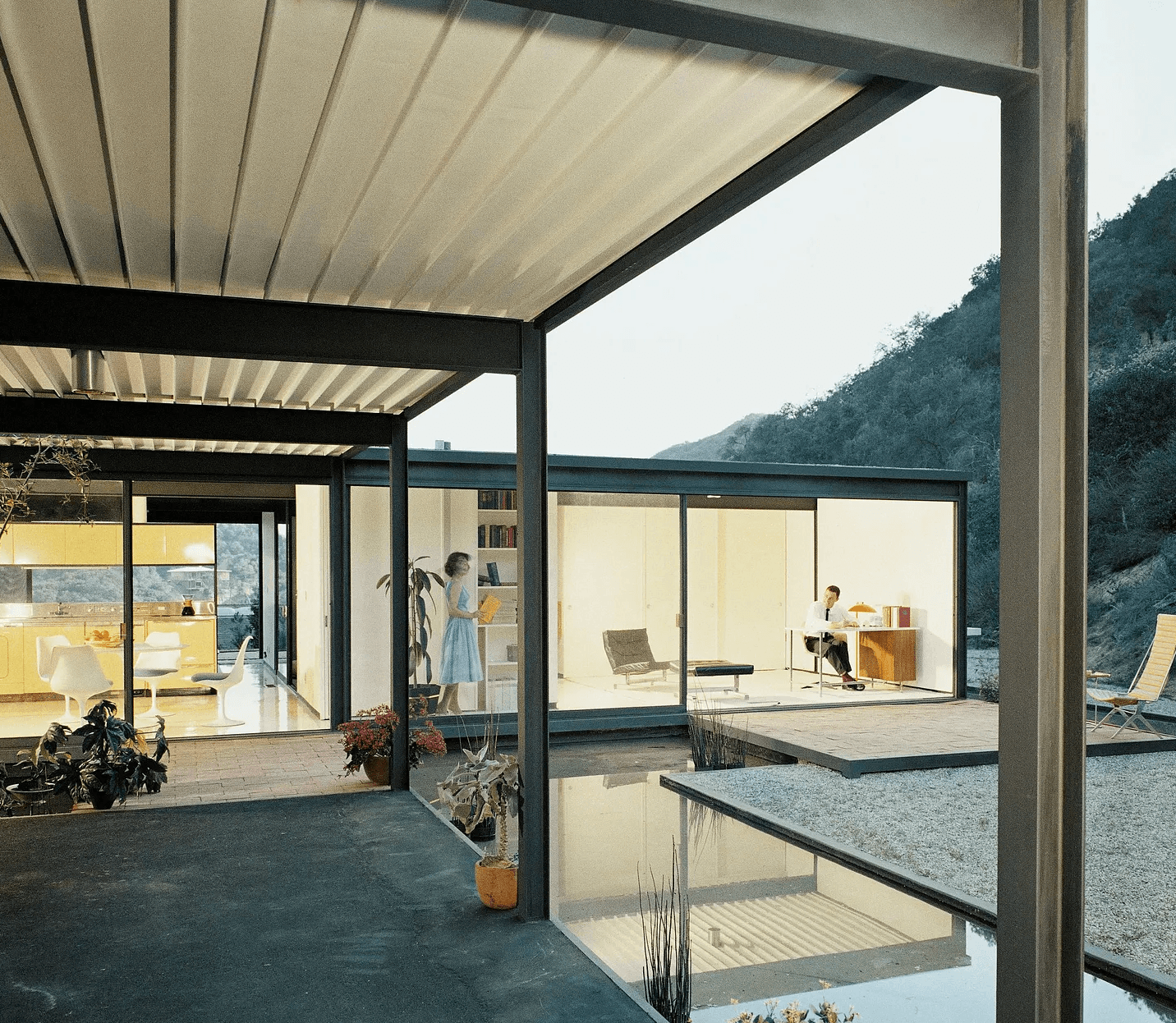
Mid-Century Modern House Plans: What to Look For
Authentic floor plans reveal far more than appearances alone.
Look for:
- Strong horizontal proportions
- Efficient circulation
- Walls of glass facing gardens
- Private bedroom wings
- Minimal hallways
- Built-in storage
- Integrated carports
- Indoor-outdoor transitions
- Logical room relationships
Many original plans remain surprisingly functional for today’s lifestyles because they prioritized everyday living over formal entertaining.
When renovations have occurred, the best examples preserve the original architectural intent while sensitively updating kitchens, bathrooms, and mechanical systems.
How to Find a Mid-Century Modern House for Sale Near You
Finding an authentic mid-century modern home often requires patience and specialized knowledge.
Some of the best resources include:
- Local preservation organizations
- Mid-century neighborhood associations
- Specialist real estate agents
- Architectural home tours
- Historic home registries
- Modern architecture groups
- Estate sales
- Architect-specific communities
Search using specific architect names rather than simply “mid-century modern.”
For example:
- Eichler home for sale
- Neutra house
- Lautner residence
- Case Study House
- Donald Wexler home
These searches often produce far more authentic results.
Buyer's Checklist: Evaluating an Authentic Mid-Century Modern Home
Before purchasing, examine both originality and condition.
Architectural Authenticity
✔ Original roof form retained
✔ Original window configuration
✔ Built-in cabinetry present
✔ Original floor plan preserved
✔ Natural materials remain intact
✔ Minimal inappropriate additions
Restoration Quality
✔ Period-appropriate renovations
✔ High-quality replacement windows if necessary
✔ Sympathetic kitchen updates
✔ Original wood carefully preserved
✔ Professional structural repairs
✔ Mechanical systems thoughtfully modernized
Red Flags
- Faux modern remodels with little original architecture remaining
- Poor-quality vinyl window replacements
- Removed built-ins
- Decorative columns or faux traditional details
- Extensive room reconfiguration that disrupts the original design
Thoughtful restoration nearly always enhances value, while insensitive remodeling often diminishes both architectural integrity and long-term desirability.
Furnishing Your Mid-Century Modern Home Authentically
Great architecture deserves equally thoughtful furnishings.
Rather than filling an authentic mid-century home with inexpensive reproductions, consider investing in carefully selected vintage originals that reflect the era’s craftsmanship.
Designers such as George Nelson, Hans Wegner, Finn Juhl, Charles and Ray Eames, Edward Wormley, Arne Vodder, Vladimir Kagan, Ib Kofod-Larsen, and George Nakashima created furniture that complements these homes naturally because it was conceived during the same remarkable period of design.
Original pieces offer more than visual authenticity. They introduce exceptional materials, superior craftsmanship, and a sense of history that reproductions rarely achieve. Over time, well-preserved and professionally restored vintage furniture often becomes more collectible, making it both a design choice and a long-term investment.
At Hobbs Modern, we believe exceptional furniture and exceptional architecture belong together. Every piece we restore is treated with museum-quality care, preserving the craftsmanship and design intent that made these works iconic in the first place. Whether you’re furnishing a Richard Neutra masterpiece, a Joseph Eichler home, or a thoughtfully renovated mid-century residence, authentic vintage furniture creates an interior that feels complete rather than merely decorated.
Why Mid-Century Modern Houses Continue to Appreciate
The enduring appeal of mid-century modern homes comes from more than nostalgia.
They embody thoughtful design, honest materials, human-scale living, and a profound respect for the relationship between architecture and nature. As authentic examples become increasingly scarce, well-preserved homes by notable architects continue to attract collectors, design enthusiasts, and homeowners who value quality over trends.
When paired with authentic vintage furnishings, these homes become living expressions of one of the most influential design movements of the twentieth century. The result is an environment that feels as relevant today as it did seventy years ago—timeless, functional, and beautifully crafted.
If you’re fortunate enough to own or purchase a mid-century modern home, furnishing it with carefully curated originals is one of the best ways to honor its architectural legacy. At Hobbs Modern, we’re passionate about helping collectors bring these remarkable spaces to life with museum-quality restored furniture that belongs in them.
FAQs
What is considered a mid-century modern house?
A mid-century modern house is a home built primarily between the mid-1940s and early 1970s that emphasizes clean lines, open floor plans, large windows, natural materials, and a strong connection between indoor and outdoor living. Inspired by modernist principles, these homes prioritize simplicity, functionality, and thoughtful design over decorative ornamentation.
What are the defining features of a mid-century modern home
Authentic mid-century modern homes typically feature flat or low-pitched rooflines, floor-to-ceiling glass, clerestory windows, open-concept living spaces, exposed beams, natural wood, stone, concrete, and seamless indoor-outdoor transitions. Many also include built-in cabinetry and custom millwork designed specifically for the home.
When were mid-century modern homes built?
Most mid-century modern homes were built between approximately 1945 and 1975, with the style reaching its peak popularity during the 1950s and 1960s. Many of today’s most collectible examples were designed during this period by influential architects such as Richard Neutra, Joseph Eichler, Pierre Koenig, and John Lautner.
Why are mid-century modern houses so popular
Mid-century modern homes remain popular because their timeless design feels just as functional today as when they were first built. Their open layouts, abundant natural light, quality craftsmanship, and emphasis on indoor-outdoor living continue to appeal to homeowners seeking both beauty and practicality.
How can I tell if a house is truly mid-century modern?
Look for original architectural features such as flat or low-sloped roofs, large expanses of glass, clerestory windows, open floor plans, natural materials, and minimal ornamentation. Homes designed by recognized mid-century architects or located in historic modernist neighborhoods often have additional provenance that increases their authenticity and value.
What is the difference between mid-century modern and contemporary architecture
Mid-century modern refers to a specific architectural movement that emerged between the 1940s and 1970s. Contemporary architecture reflects current design trends and continually evolves. While contemporary homes may borrow elements like large windows or clean lines, authentic mid-century modern homes have distinct historical design principles and proportions.
Are mid-century modern homes a good investment?
Well-preserved mid-century modern homes, particularly those designed by notable architects or located in desirable neighborhoods, have consistently appreciated in value. Homes that retain their original architectural integrity and have been thoughtfully restored often command significant premiums in today’s real estate market.
What architects are most associated with mid-century modern homes?
Some of the most influential architects include Richard Neutra, Joseph Eichler, John Lautner, Pierre Koenig, Donald Wexler, A. Quincy Jones, Craig Ellwood, Raphael Soriano, Charles and Ray Eames, and William Krisel. Homes designed by these architects are highly sought after by collectors and architecture enthusiasts.