Table of Contents
- What Makes Vintage Furniture Truly Valuable?
- The 10 Most Valuable Vintage Furniture Pieces Worth Knowing
- 1. Designer Provenance
- 2. Rarity
- 3. Condition
- 4. Authentication
- 5. Market Demand
- 1. Eames Lounge Chair & Ottoman (Herman Miller, 1956)
- The Eames Lounge Chair was introduced in 1956 and immediately became a cultural icon all over the word. In 1960's the chair landed in permanent collection of the Museum of Modern Art in New York. Charles Eames Sitting in his most famous creationWhat Makes It Valuable?
- 2. Hans Wegner The Chair (501)
- 3. George Nakashima Conoid Table
- Why Collectors Love Them
- 4. Finn Juhl Chieftain Chair
- 5. Vladimir Kagan Floating Back Sofa
- What Drives Value?
- 6. George Nelson Thin Edge Dresser
- 7. Edward Wormley Janus Collection
- Arne Vodder understood that great furniture could influence not only a room’s appearance but also its atmosphere. By pairing richly figured hardwoods with vibrant lacquered doors and drawer fronts, he introduced moments of color that helped counterbalance the long, dark Danish winters. The result is furniture that feels simultaneously refined, optimistic, and unmistakably Scandinavian.
- How to Know If Your Collectible Furniture Is the Real Thing
- Where to Buy Authenticated Collectible Furniture
- FAQs
What Makes Vintage Furniture Truly Valuable?
The difference between a $500 vintage chair and a $30,000 collectible masterpiece often has very little to do with age alone.
Every year, collectors, interior designers, and investors are surprised to discover that seemingly ordinary pieces of mid-century modern furniture sell for prices rivaling fine art. Meanwhile, countless attractive vintage pieces remain relatively affordable. The question is simple: what actually makes vintage furniture valuable?
The answer lies in a combination of design history, craftsmanship, rarity, provenance, and market demand. The world’s most collectible furniture wasn’t simply well-made—it changed the way people thought about design. These iconic pieces often moved furniture design forward in a way that influenced others.
Whether you’re beginning your collection or searching for one-of-one quality investment pieces, understanding what separates collectible furniture from decorative furniture can help you make smarter buying decisions.
The 10 Most Valuable Vintage Furniture Pieces Worth Knowing
1. Designer Provenance
Furniture designed by internationally recognized masters consistently commands the highest prices.
Designers such as Charles and Ray Eames, Hans Wegner, George Nakashima, Finn Juhl, George Nelson, Vladimir Kagan, Sergio Rodrigues, Arne Vodder, Poul Kjærholm, Pierre Jeanneret, and Hans Wegner created pieces that have transcended functional furniture. They are rather cultural icons.
Their work appears in museums worldwide, and they carry a huge influence in the contemporary design community.
2. Rarity
Not every famous design is equally collectible.
Limited production runs, discontinued models, early production examples, and handcrafted studio pieces almost always command premiums over later mass-produced versions.
A first-generation production piece can easily be worth several multiples compared to a more modern production example.
3. Condition
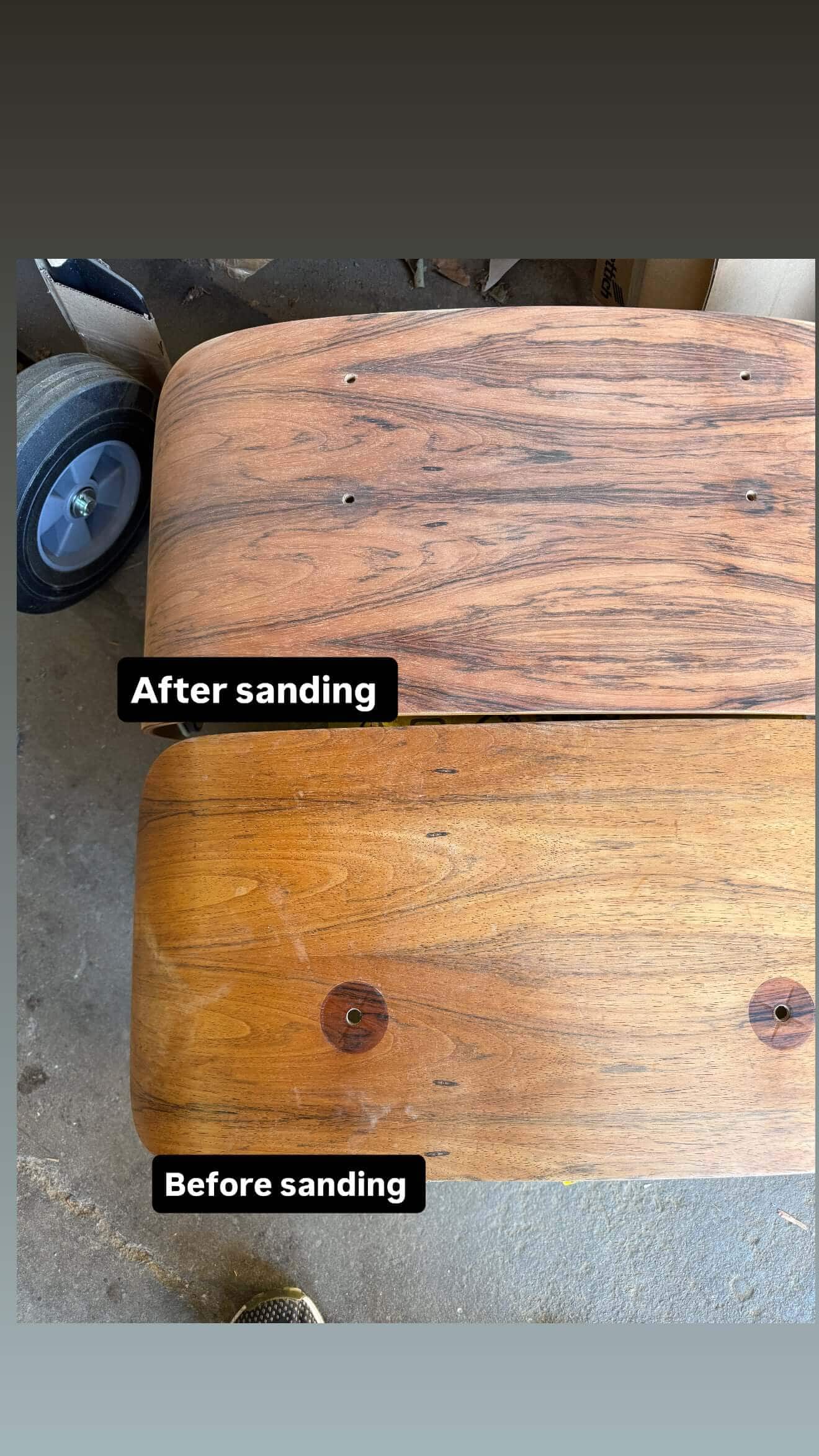
Collectors understand that the quality of a restoration can dramatically influence a piece’s value. While poor refinishing and incorrect repairs often erase decades of collectibility, a museum-quality restoration can elevate an exceptional piece to its full potential.
At Hobbs Modern, our restoration team specializes exclusively in important mid-century modern furniture, combining decades of experience with historically accurate techniques and premium materials. Every surface, joint, finish, and detail is restored with respect for the original craftsmanship. The result is furniture that not only looks extraordinary but is often more desirable to discerning collectors, designers, and homeowners than comparable examples that have been improperly restored or neglected.
4. Authentication
Authenticity separates investment-grade furniture from decorative reproductions.
Original labels, branded maker’s marks, construction techniques, wood species, hardware details, and documented provenance all contribute to confidence in authenticity—and therefore increase market value.
5. Market Demand
Collectible furniture behaves similarly to the art market.
As collectors, museums, architects, and interior designers compete for the best examples, prices continue to climb.
Pieces that consistently appear in books, exhibitions, and prestigious interiors generally experience the strongest long-term appreciation. In addition, some pieces of furniture stand the test of time and continue to be desirable in the modern era.
The 10 Most Valuable Vintage Furniture Pieces Worth Knowing
These iconic designs consistently rank among the most desirable furniture investments in the world. This list is not meant to be exhaustive.
1. Eames Lounge Chair & Ottoman (Herman Miller, 1956)
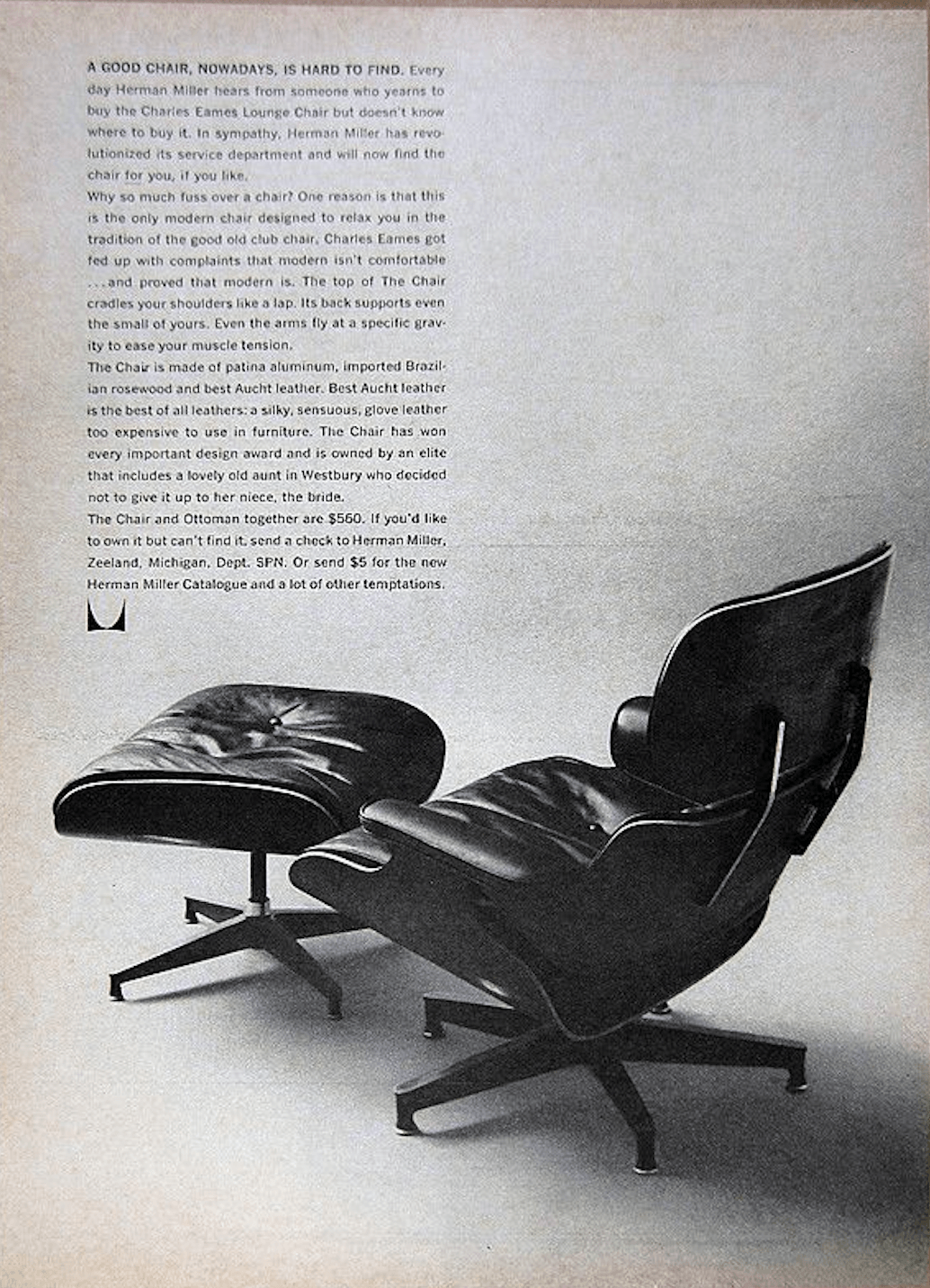
Few furniture designs have achieved the universal recognition of the Eames Lounge Chair.
Introduced in 1956 by Charles and Ray Eames for Herman Miller, it transformed modern furniture by combining molded plywood technology with luxurious leather upholstery.
Nearly seventy years later, demand continues to exceed supply for exceptional vintage examples.
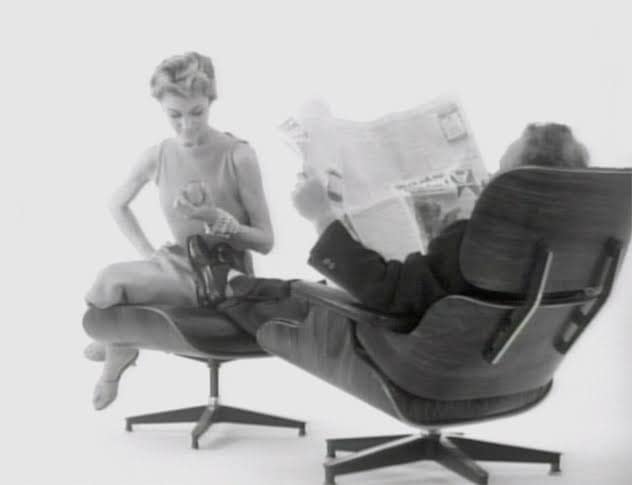 The Eames Lounge Chair was introduced in 1956 and immediately became a cultural icon all over the word. In 1960's the chair landed in permanent collection of the Museum of Modern Art in New York.
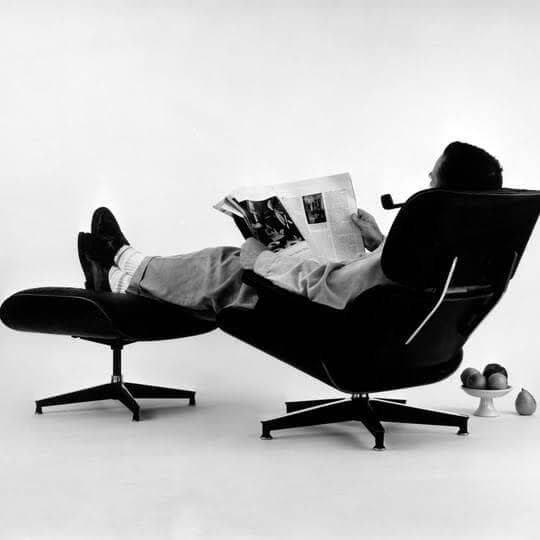 Charles Eames Sitting in his most famous creation
The Eames Lounge Chair was introduced in 1956 and immediately became a cultural icon all over the word. In 1960's the chair landed in permanent collection of the Museum of Modern Art in New York. Charles Eames Sitting in his most famous creation
What Makes It Valuable?
Collectors particularly seek:
- First-generation production with boot glides or the elusive spinning ottoman.
- Beautiful Brazilian rosewood shells, particularly ones with stunning grain
- Original labels
- Matching shells
- Excellent veneer condition
- Original hardware
- down-filled cushions
Authentic early examples routinely command $6,000–$10,000, while exceptional first-generation chairs with complete provenance have exceeded $15,000 at auction.
At Hobbs Modern, we have restored hundreds of vintage Eames Lounge Chairs and continue to believe they represent one of the finest combinations of comfort, craftsmanship, and long-term collectibility ever produced.
Early 1st Generation Eames Lounge Chair and Ottoman in Rosewood and Black Leather by Herman Miller
$13,495.00
Early 1956 Eames Lounge Chair and Ottoman in Rosewood and Black Italian Leather A true collector’s piece and one of the most coveted icons of 20th-century design, this early 1956 Eames Lounge Chair and Ottoman represents the very first chapter… read more

2. Hans Wegner The Chair (501)
In 1960, John F. Kennedy and Richard Nixon sat across from one another in the first televised presidential debate. Kennedy's composure, many argued, won him the election. The chair he sat in—Hans Wegner's Round Chair, now universally known simply as "The Chair"—became, overnight, the most photographed piece of Danish furniture in American history. That cultural moment transformed an already-exceptional design into an icon, and the market has reflected that status ever since.
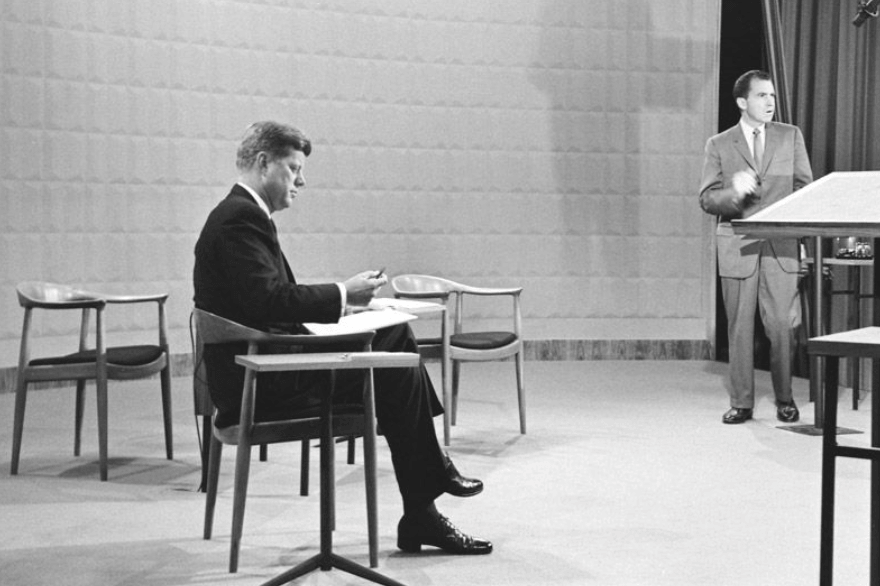 JFK seated in the first Televised Presidential Debate seated in a Hans Wenger Chair.
Produced by cabinetmaker Johannes Hansen beginning in 1949, The Chair (model JH501, later PP501 under PP Møbler) is still in production today. Original Johannes Hansen examples are the most collectible, identifiable by their maker's mark stamped or branded into the underside of the seat rail. Early examples exhibit hand-fitted joinery with slight irregularities invisible in later production runs. The tenon connections at the back rail and arm joints will show subtle evidence of hand-fitting and individual mortise work.
At auction, authenticated Johannes Hansen examples in teak with original rush seats have achieved $ 5000-6000 per chair. Pairs command meaningful premiums—often 30–40% more per chair than single examples sold separately.
3. George Nakashima Conoid Table
George Nakashima believed every tree possessed a unique spirit.
His Conoid tables embody that philosophy, combining monumental slabs of walnut and cherry, with sculptural rosewood joinery and his signature Conoid base.
Unlike factory furniture, every Nakashima piece is unique.
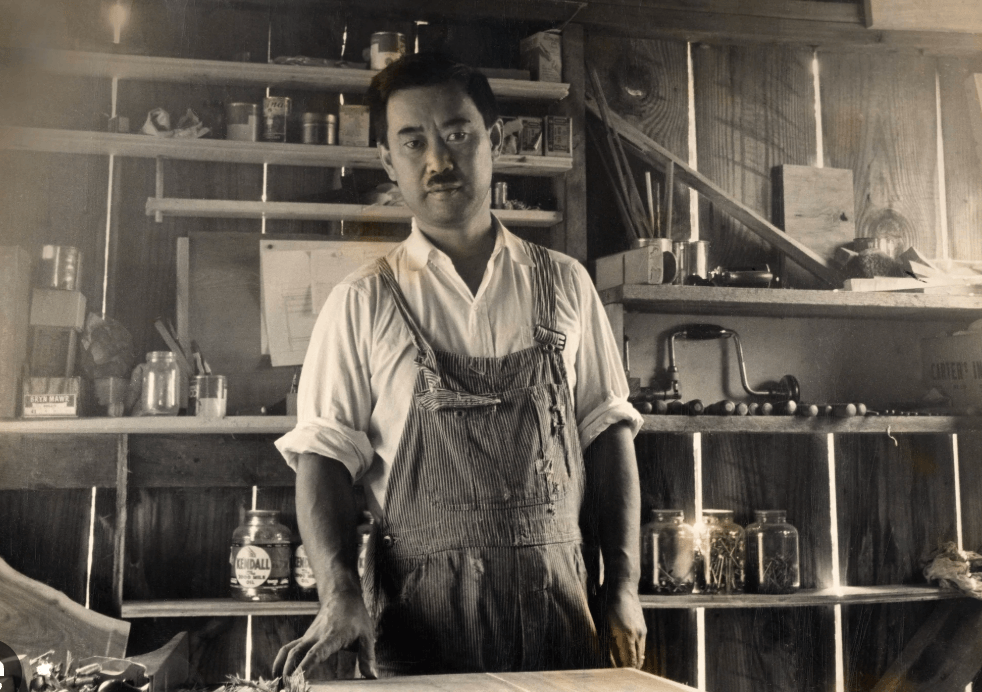
Why Collectors Love Them
Value is heavily influenced by:
- Original client documentation
- Studio invoices
- Original drawings
- Wood figure
- Exceptional live-edge slabs
- Early production dates
Documented Conoid tables frequently sell for $40,000–150,000+, while museum-quality examples have reached even higher prices.
Because every table is one of one, provenance plays an unusually important role in determining value.
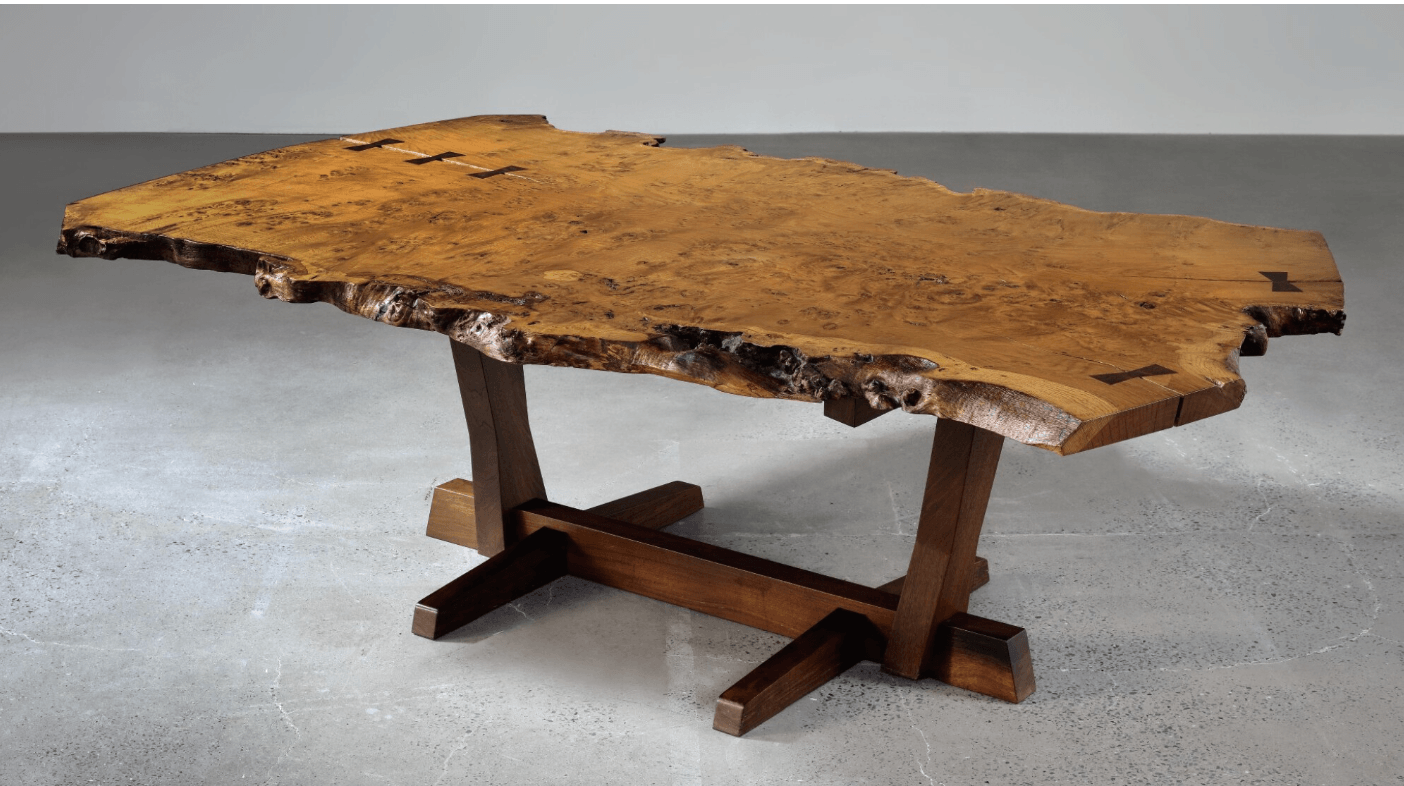
AN IMPORTANT "CONOID" DINING TABLE
George Nakashima Conoid Coffee Table – English Walnut with Rosewood Butterfly, Circa 1960s
$57,000.00
A Soulful Masterwork of Organic Design This rare and completely original George Nakashima coffee table is a poetic example of the master’s ability to honor the soul of the wood. Hand-built from a single slab of English Walnut, the surface… read more

4. Finn Juhl Chieftain Chair
Many consider the Chieftain Chair the single greatest achievement of Danish furniture design.
Introduced in 1949, the chair combines sculptural teak, dramatic horn-like armrests, floating leather upholstery, and extraordinary craftsmanship.
Production numbers remained extremely limited, making original examples exceptionally scarce.
Vintage cabinetmaker-produced Chieftain Chairs have exceeded $150,000 at international auctions.
Collectors evaluate:
- Original leather
- Maker’s marks
- Joinery quality
- Wood species
- Restoration history
Few chairs better represent Scandinavian craftsmanship at its highest level.
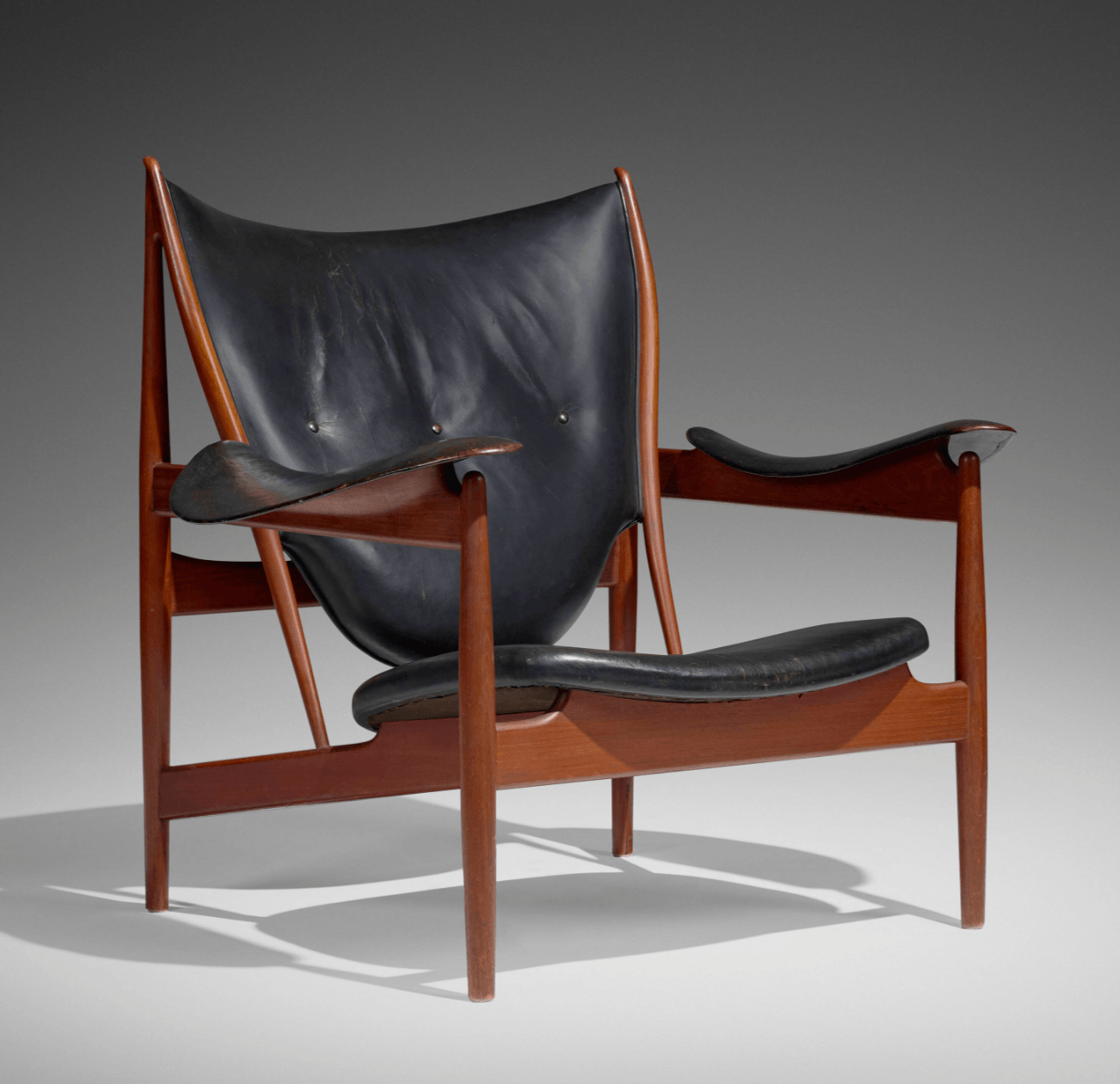 Record-setting £422,500 (then about $674,099) fetched by a superb example of his 1949 Chieftain Chair (this is not the exact example pictured)
 Finn Juhl Lounge Chair Model 136 for France & Daverkosen, Circa 1956
$4,995.00
Finn Juhl's Model 136 armchair for France & Daverkosen. Beautifully sculpted teak frame with Finn Juhl Classic design elements: floating seat and floating backrest. This chair has new upholstery and foam and retains the metal spring system that gives the seat… read more

5. Vladimir Kagan Floating Back Sofa
Vladimir Kagan’s designs have experienced remarkable appreciation over the past two decades.
His Floating Back Sofa exemplifies the organic curves that define American modernism at its most elegant.
What Drives Value?
Collectors pay premiums for:
- Original Grosfeld House production
- Curved sculptural form
- Proper restoration
- High-quality upholstery
- Original labels
- Excellent frame integrity
Exceptional restored examples regularly sell between $20,000–60,000, while rare configurations can command substantially more.
6. George Nelson Thin Edge Dresser
George Nelson’s Thin Edge collection distilled storage furniture to its purest architectural form.
Introduced for Herman Miller during the 1950s, the series is instantly recognizable for its ultra-thin case profile, tapered metal legs, and iconic white “apple-core” aluminum drawer pulls.
Authenticity Matters
Original examples feature:
- Cast aluminum apple-core pulls
- Herman Miller labels
- Correct drawer construction
- Period hardware
- Proper leg mounts
Professionally restored walnut and rosewood examples typically range between $4,000–15,000, with rare rosewood versions commanding significant premiums.
George Nelson Thin Edge 4-Drawer Dresser in Brazilian Rosewood for Herman Miller
$5,495.00
An extraordinary example of American Mid-Century Modern design, this authentic George Nelson Thin Edge 4-drawer dresser for Herman Miller showcases the timeless sophistication that has made Nelson one of the most influential designers of the twentieth century. Executed in stunning… read more

George Nelson Thin Edge Tall Dresser in Rosewood by Herman Miller
$5,795.00
A rare and highly sought-after example of American modernism, the Thin Edge Tall Dresser by George Nelson for Herman Miller represents one of the purest expressions of mid-century design. Clean, architectural, and quietly luxurious, this piece embodies Nelson’s philosophy of… read more

7. Edward Wormley Janus Collection
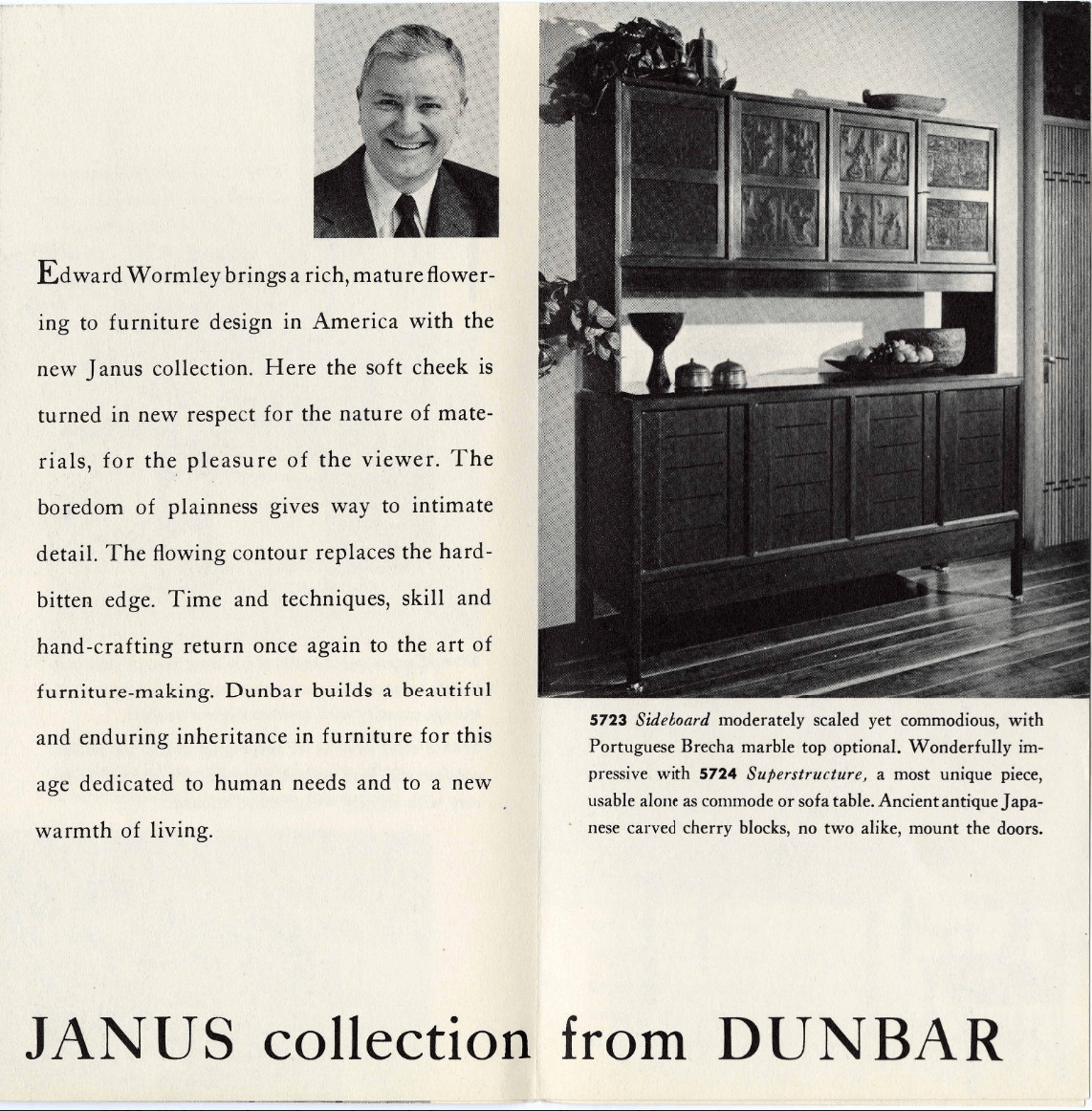
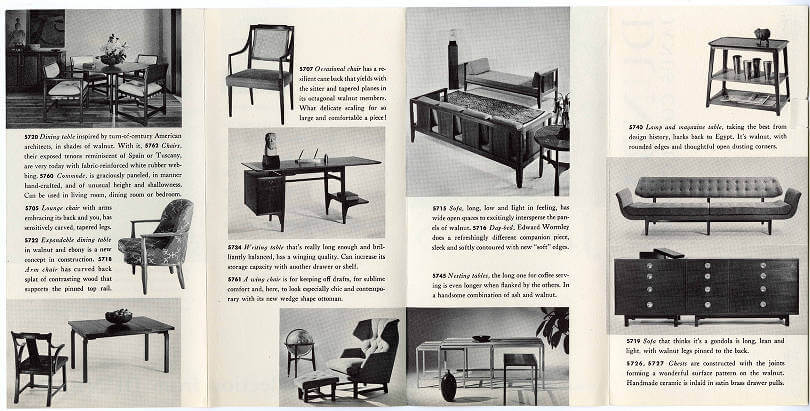
Edward Wormley successfully bridged traditional craftsmanship with modern design.
Among his most collectible works are pieces from the Janus Collection for Dunbar, celebrated for their refined proportions, luxurious materials, and architectural restraint.
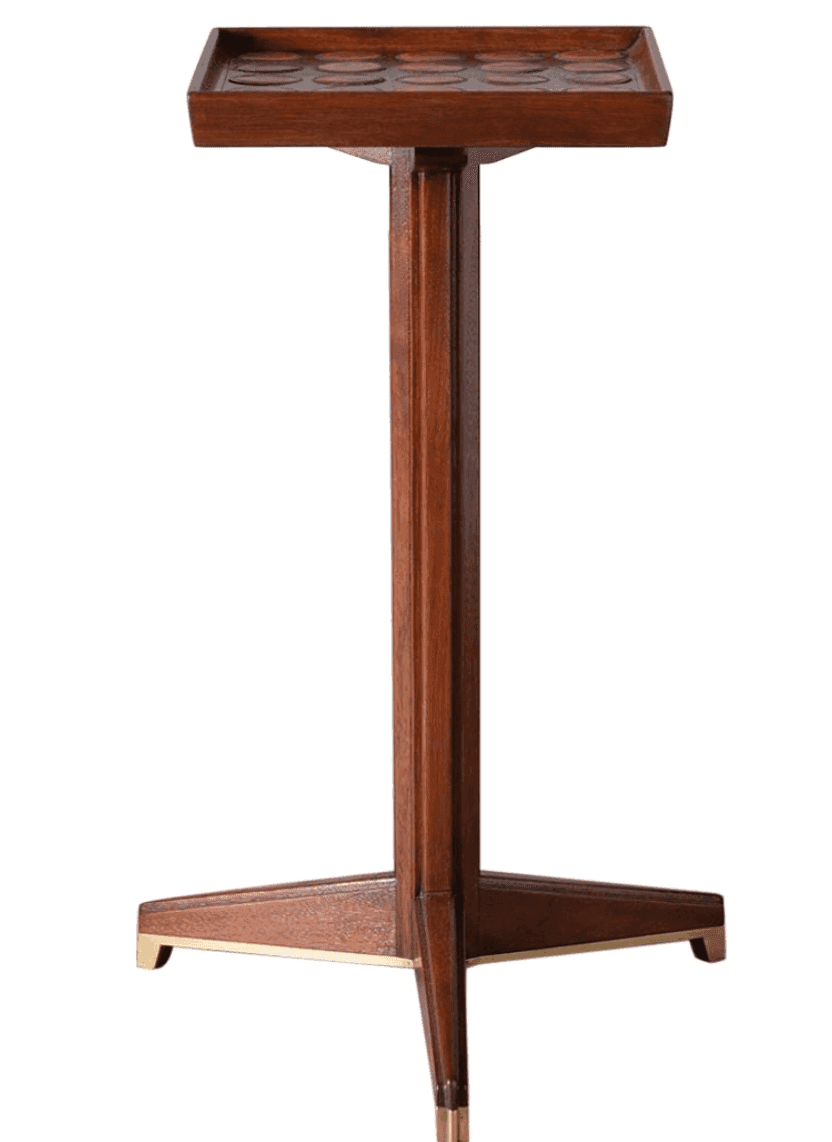
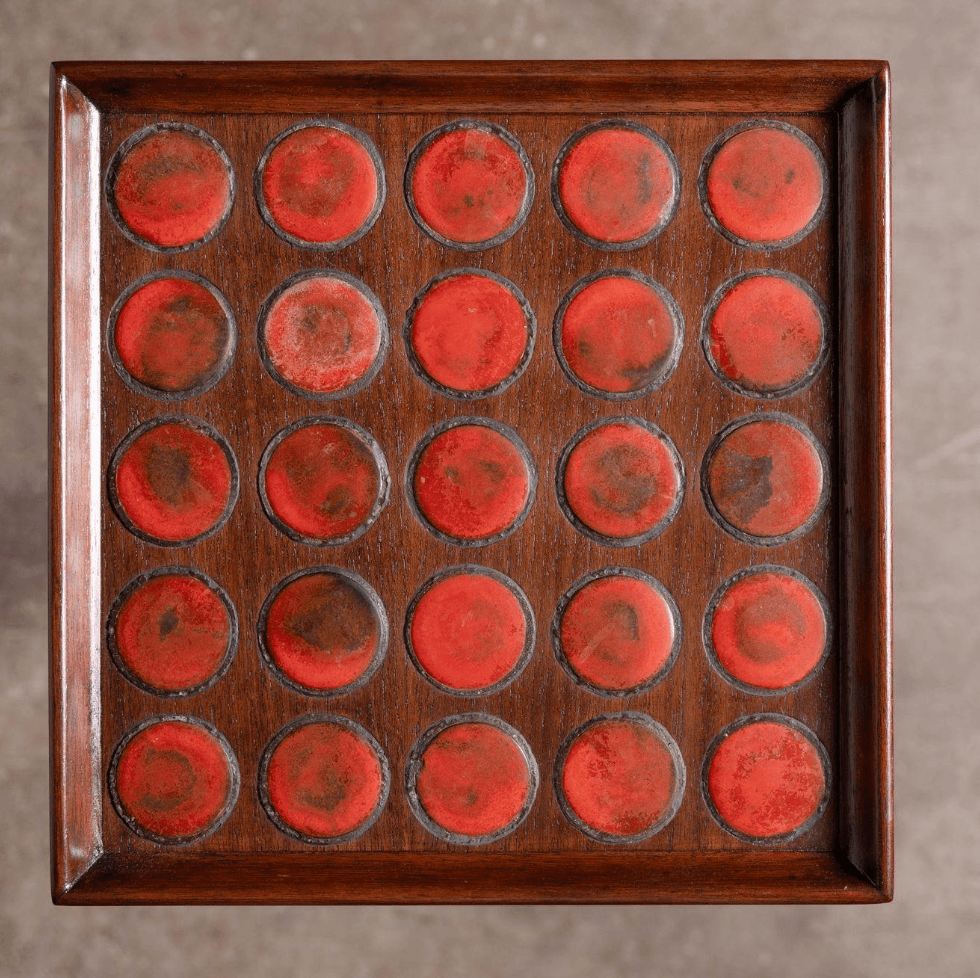
Edward Wormley "Snack" Side Table for Dunbar
$5,495.00
A masterclass in elegant utility, this rare Model 4856 Snack Table by Edward Wormley for Dunbar distills mid-century American luxury into a single, sculptural form. Light in hand yet rich in detail, this is one of Wormley’s most charming—and the… read more

Collectors especially seek credenzas, cabinets, and dining tables featuring:
- Ribbon mahogany
- Brass detailing
- Original Dunbar plaques
- Exceptional cabinetry
- Natzler Tile Tables: The most famous Janus tables feature inset art pottery tiles created by renowned Austrian-born ceramicists Otto and Gertrud Natzler. These tables (often models 6047 or 5630) feature glazed, vibrant earthenware or crystalline tiles set into stained walnut tops.
- Tiffany Tile Tables: Less common but equally stunning, Wormley also designed rare Janus coffee and end tables that incorporated glowing, vintage Tiffany Studios glass tiles.
Museum-quality Janus pieces routinely command five-figure prices, with exceptional examples continuing to appreciate as collectors recognize Wormley’s historical importance.
Edward Wormley Janas Ottoman for Dunbar
$1,795.00
$3,495.00
Ottoman by Edward Wormley for Dunbar, USA, c.1960s. The tufted double seat cushion is newly upholstered in a Sand Sherpa Boucle by Kravet, a beautiful compliment to the rich walnut frame. The frame showcases four tapered legs with two connecting stretchers.… read more

8. Percival Lafer Lounge Chair and sofas
Brazilian modernism has become one of the fastest-growing segments of the collectible furniture market.
Percival Lafer’s iconic lounge chairs perfectly capture the relaxed sophistication of Brazilian design.
Why Values Continue Rising
Collectors prize:
- Brazilian rosewood construction
- Original leather sling upholstery
- Factory labels
- Excellent wood condition
Export restrictions on Brazilian rosewood, combined with increasing international demand, have steadily elevated values.
Exceptional examples now commonly sell between $4,000–10,000, with rare models commanding even higher prices in the range of 15,000 and more.
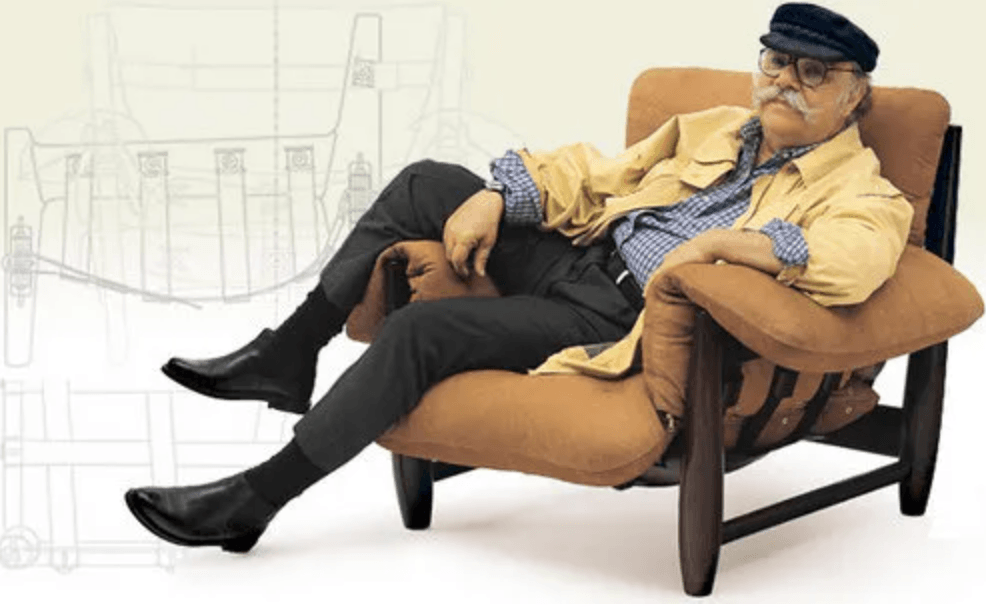
9. Sergio Rodrigues Mole, Sherif, and Mischievous chairs
No discussion of Brazilian modernism is complete without Sergio Rodrigues.
His legendary Mole Chair—often translated as the “Sheriff” or affectionately described for its oversized, inviting proportions—helped define Brazilian furniture design on the world stage.
Massive turned hardwood frames support generous leather cushions, creating one of the most comfortable lounge chairs ever designed.
What Collectors Look For
Original production examples with documented provenance command the highest prices. Important indicators include:
- Original maker’s labels or stamps (some early examples were not marked)
- Brazilian hardwood construction
- Period-correct leather cushions in good condition
- Proper joinery
As global appreciation for Brazilian modernism continues to grow, authenticated Mole Chairs regularly achieve $10,000–30,000+, with exceptional early examples setting new auction records.
Sergio Rodrigues “Mischievous” Chair and Ottoman, Brazil
$16,995.00
This sculptural Sergio Rodrigues Mischievous Chair and Ottoman is the very epitome of Brazilian modern design—bold, sensual, and unapologetically grounded in the natural beauty of Brazilian hardwoods. Crafted from solid rosewood, the frame showcases the richness and density that made… read more

10. Arne Vodder Sideboard / Credenza
Arne Vodder remains one of Danish modernism’s best-kept secrets.
While Wegner and Finn Juhl often receive greater public recognition, Vodder’s finest sideboards rival anything produced during Denmark’s Golden Age.
His work is characterized by floating cases, sculpted solid teak pulls, beautifully integrated legs, and extraordinary veneer selection.
Authentication Tips
Collectors should verify:
- Sibast, or other original Danish Control stamp labels
- Solid teak sculpted pulls
- Correct interior fittings
- Original adjustable shelving
- High-quality teak veneer
Exceptional restored examples frequently sell between $8,000–25,000, with rare rosewood versions commanding substantially more.
Arne Vodder Rosewood Credenza with Blue & White Drawers, Denmark, 1960
$8,495.00
A rare and striking example of Arne Vodder’s celebrated cabinet designs, this credenza showcases his distinctive sculptural drawer fronts in a highly sought-after rosewood variant. Most known versions were produced in teak; finding one in richly figured Brazilian rosewood places this… read more

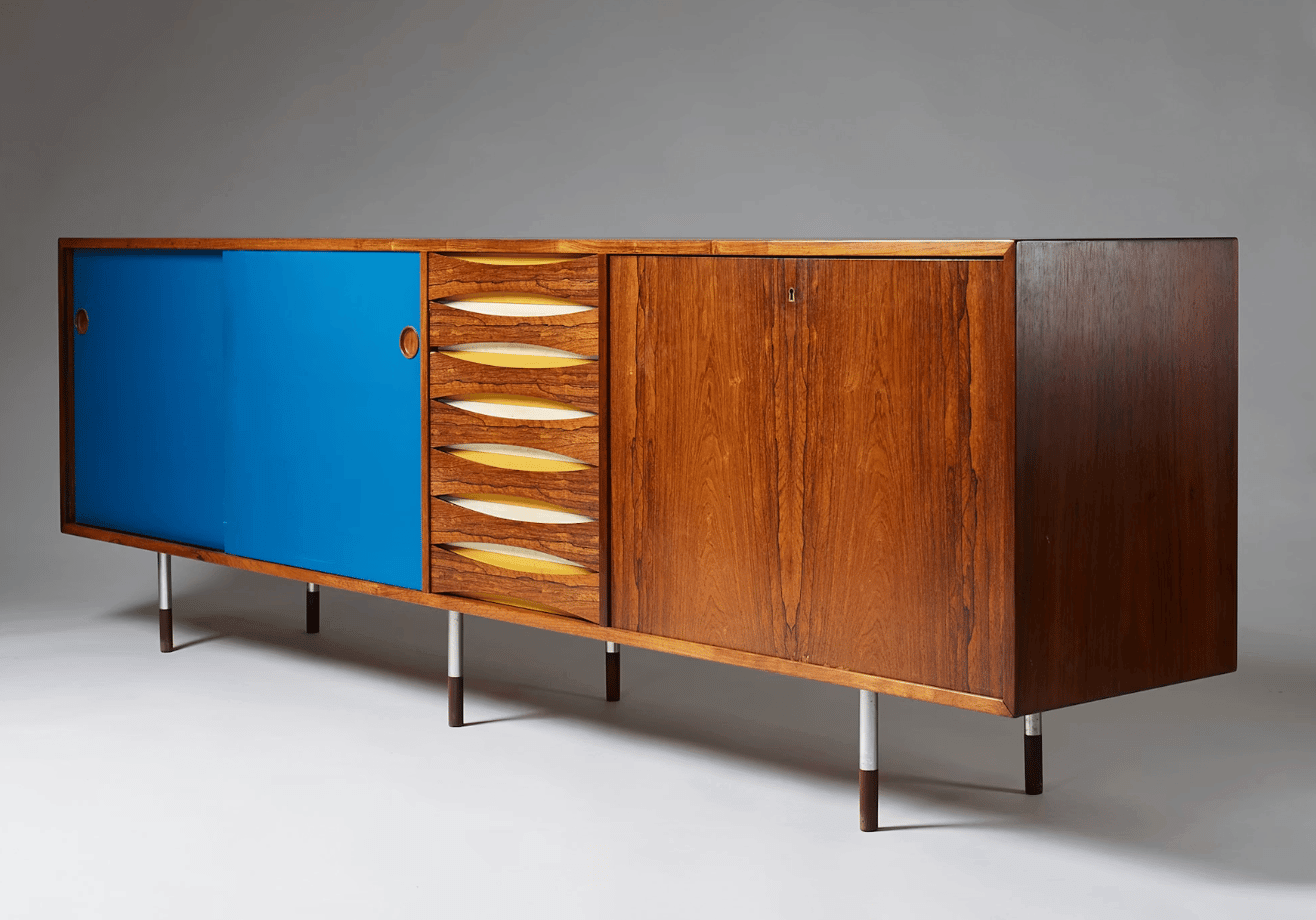
Arne Vodder understood that great furniture could influence not only a room’s appearance but also its atmosphere. By pairing richly figured hardwoods with vibrant lacquered doors and drawer fronts, he introduced moments of color that helped counterbalance the long, dark Danish winters. The result is furniture that feels simultaneously refined, optimistic, and unmistakably Scandinavian.
Arne Vodder understood that great furniture could influence not only a room’s appearance but also its atmosphere. By pairing richly figured hardwoods with vibrant lacquered doors and drawer fronts, he introduced moments of color that helped counterbalance the long, dark Danish winters. The result is furniture that feels simultaneously refined, optimistic, and unmistakably Scandinavian.
How to Know If Your Collectible Furniture Is the Real Thing
Authentication is one of the most important skills a collector can develop.
Start by examining maker’s labels, branded stamps, or metal plaques. These provide the strongest evidence of original production, although labels are sometimes lost over decades of use.
Next, study the construction itself. Authentic mid-century furniture reveals a level of craftsmanship that reproductions rarely achieve. Hand-cut dovetails, precision joinery, sculpted solid wood details, and properly veneered panels are all signs of quality.
Materials also matter. Many iconic pieces were produced using now-restricted woods such as Brazilian rosewood or old-growth walnut, materials that are difficult or impossible to source today.
Finally, provenance can dramatically strengthen authenticity. Original invoices, sales receipts, catalogs, photographs, or family ownership history add confidence and often increase market value.
When uncertainty remains, seek an experienced specialist. A knowledgeable dealer can often identify subtle construction details, production changes, or restoration issues that aren’t immediately obvious.
Where to Buy Authenticated Collectible Furniture
The internet has made collectible furniture more accessible than ever—but it has also made it easier to purchase misidentified, heavily restored, or outright reproduction pieces.
Peer-to-peer marketplaces can occasionally yield extraordinary finds, but they also carry the greatest risk. Labels may be missing, histories unknown, and repairs undisclosed.
Reputable vintage dealers provide something far more valuable than inventory: expertise.
Established specialists carefully authenticate, restore, research, and stand behind the furniture they sell. They understand maker’s marks, production history, restoration ethics, and current market values, helping buyers purchase with confidence rather than speculation.
At Hobbs Modern, authentication is a fundamental part of our process. Every piece is carefully evaluated for originality, professionally restored in-house when appropriate, and represented with complete transparency. Our goal is not simply to sell exceptional furniture—it is to preserve the legacy of the designers who created it while helping collectors build collections that will be appreciated for generations.
Whether you’re searching for an early Eames Lounge Chair, a documented George Nakashima masterpiece, a Vladimir Kagan sofa, or a rare Danish modern sideboard, investing in authenticated furniture is ultimately an investment in history, craftsmanship, and enduring design.
FAQs
What vintage furniture is worth the most?
Museum-quality pieces by Charles and Ray Eames, George Nakashima, Finn Juhl, Hans Wegner, Sergio Rodrigues, and Vladimir Kagan consistently rank among the most valuable vintage furniture designs.
Does restoring vintage furniture reduce its value?
Not necessarily. Poor or incorrect restoration can hurt value, but professional, historically accurate restoration often preserves—and in many cases enhances—the long-term desirability of collectible furniture and thus its value.
How do I know if my furniture is authentic?
Look for original maker’s labels, branded stamps, period-correct construction methods, original materials, and documented provenance. When in doubt, consult an experienced dealer or appraiser.
Is vintage furniture a good investment?
While no collectible is guaranteed to appreciate, iconic designs with strong historical significance, documented authenticity, and limited supply have generally performed well over the long term. Many collectors view investment-grade vintage furniture as both a functional asset and a work of art.