Table of Contents
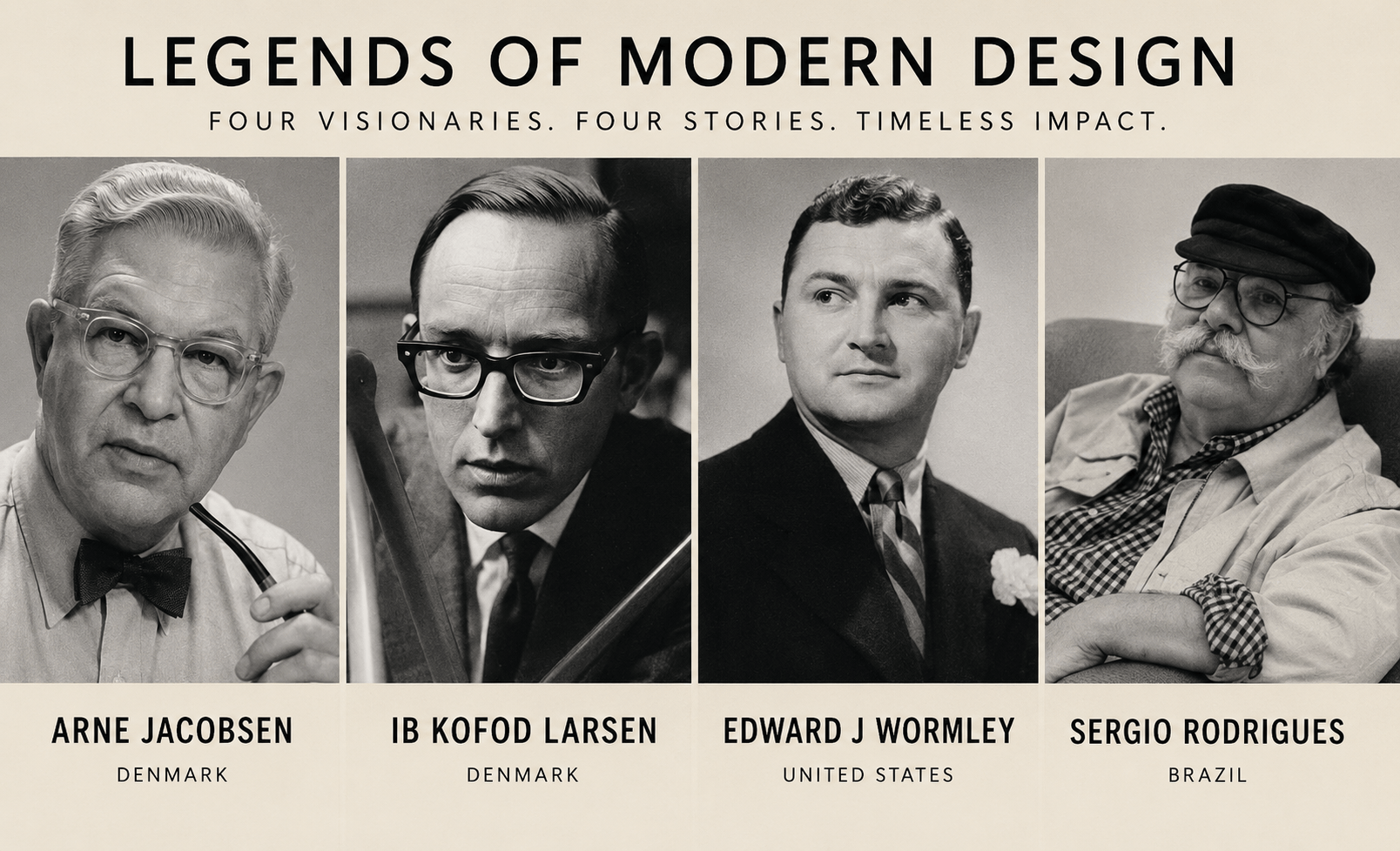
- Arne Jacobsen: The Architect Who Escaped Nazis and Invented Cool
- Ib Kofod-Larsen: The Danish Designer Who Found Fame Abroad
- Edward J Wormley: The Luckiest Man in Modern Design?
- Sérgio Rodrigues: The Designer Who Made Modernism Comfortable
- Quick Guide: The Designers Featured in This Rumor Desk
- Key Takeaways
- Featured Furniture & Designs Mentioned
- FAQs
Welcome back to the Hobbs Modern Rumor Desk, where we separate fact from fiction, then promptly ignore the distinction if the story is too good.
This week we've uncovered tales of wartime escapes, architecture scandals, forgotten prototypes, and one designer who was told he had "no future" in the furniture business. As it turns out, history has a wonderful sense of humor.
Let's begin.
Arne Jacobsen: The Architect Who Escaped Nazis and Invented Cool
Before Arne Jacobsen became one of the most influential designers of the twentieth century, he had a much more pressing concern: staying alive.
During World War II, Jacobsen was forced to flee Denmark because of his Jewish heritage. Under cover of darkness, members of the Danish resistance helped him escape across the water to Sweden in a small boat. While many people might have spent their exile worrying about the future, Jacobsen spent his designing wallpaper and textiles. Apparently, even hiding from the Nazis couldn't stop him from thinking about good design.
The irony is that before the world celebrated him, plenty of people wanted him gone.
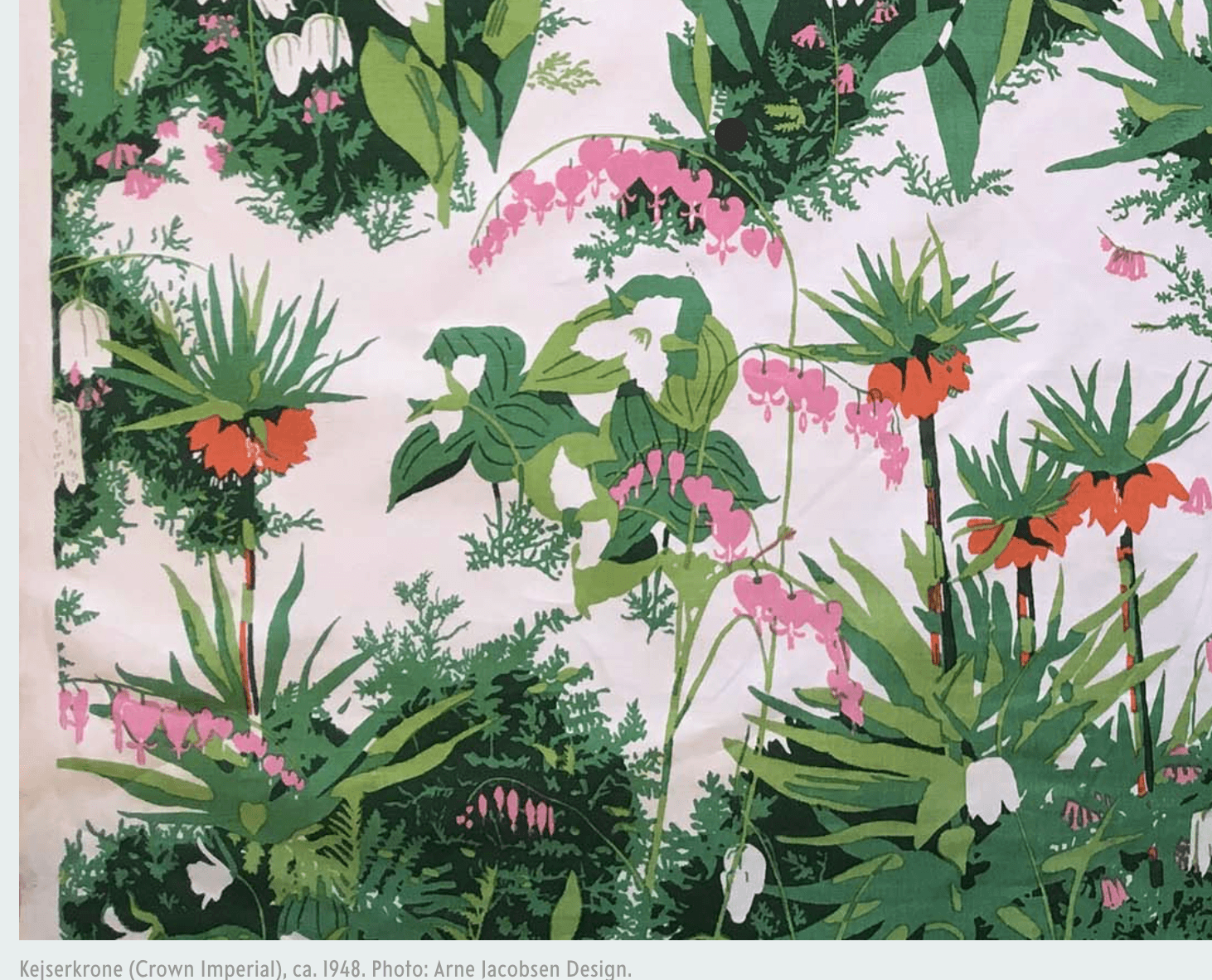
Swedish exile
Arne Jacobsen met Jonna Jacobsen (née Møller) (1908-1995) during his work on Søllerød Town Hall (1942). As a trained textile printer, she was responsible for producing the textiles for the town hall. They married in 1943. Jonna and Arne Jacobsen were not just husband and wife but also had a professional and creative partnership, as Jonna helped Arne turn his botanical studies and watercolours into textile pattern designs. Like many other Danes of Jewish descent, Arne Jacobsen had to flee Denmark in 1943 and go into exile in Sweden. Here, his textile patterns were put into production when the two initiated a collaboration with the Swedish department store Nordiska Kompaniet.
One of Jacobsen's early modern buildings created such outrage among the Danish public that a newspaper suggested he should be banned from practicing architecture for life. Today, those same buildings are considered important landmarks of modernism. It serves as a useful reminder that if everyone likes your work immediately, you probably aren't changing anything.
His famous Egg and Swan chairs weren't born in a sleek corporate design studio, either. Jacobsen developed the forms in his own garage using chicken wire, plaster, and plenty of experimentation. The chairs that would eventually become icons of modern design began looking more like science fair projects than museum pieces.
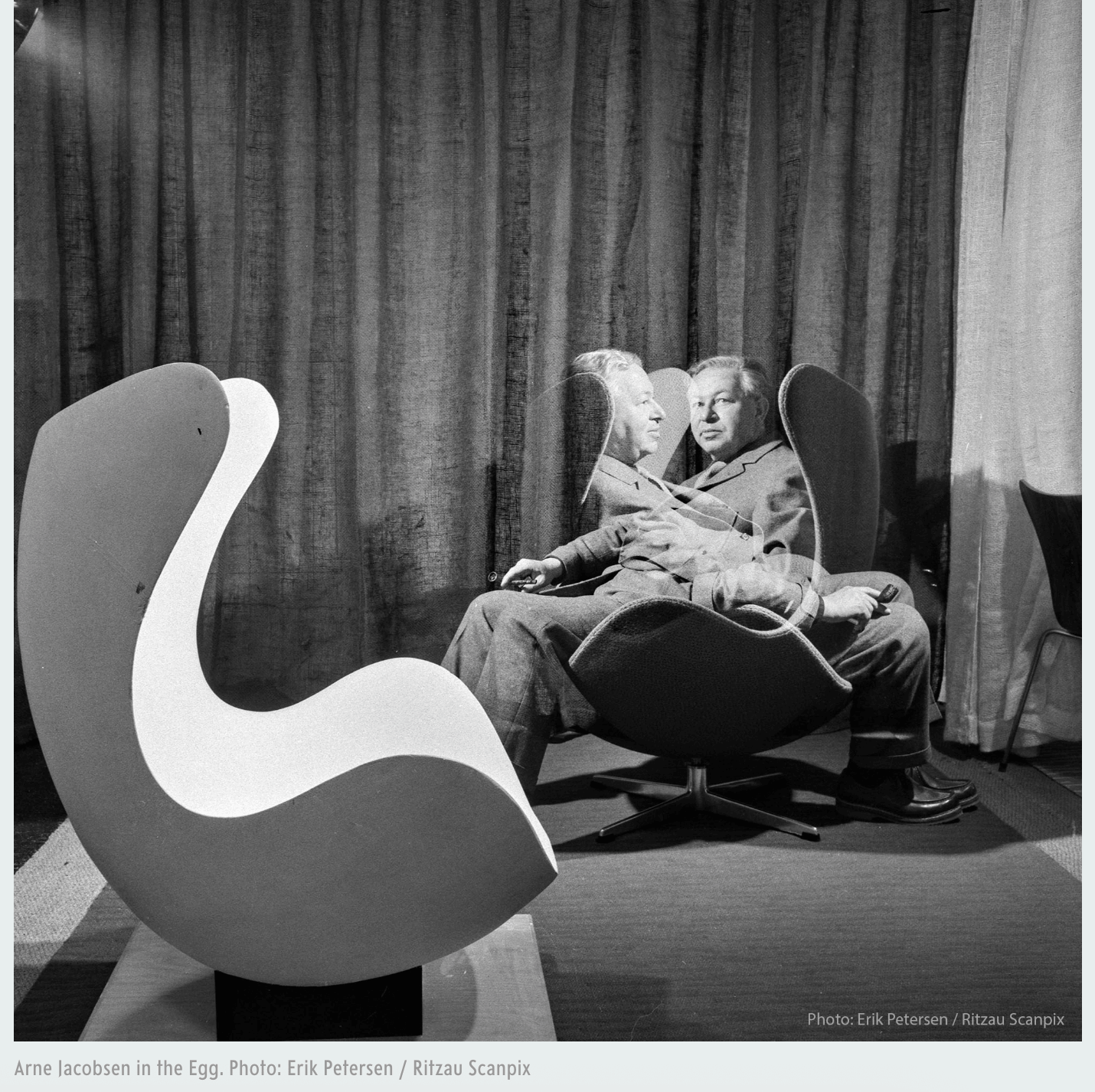
As a child, Jacobsen dreamed of becoming a painter. In a move that now feels remarkably prophetic, he painted over the dark Victorian wallpaper in his bedroom with plain white paint. This was decades before minimalist interiors became fashionable. Some children rebel. Jacobsen simply invented modernism.
And perhaps most surprisingly, his greatest source of inspiration may have been found outdoors. He maintained an extensive private garden containing over 300 hundred plant species and spent countless hours studying and tending them. The organic curves found throughout his furniture and architecture owe more to leaves, flowers, and natural growth patterns than many people realize.
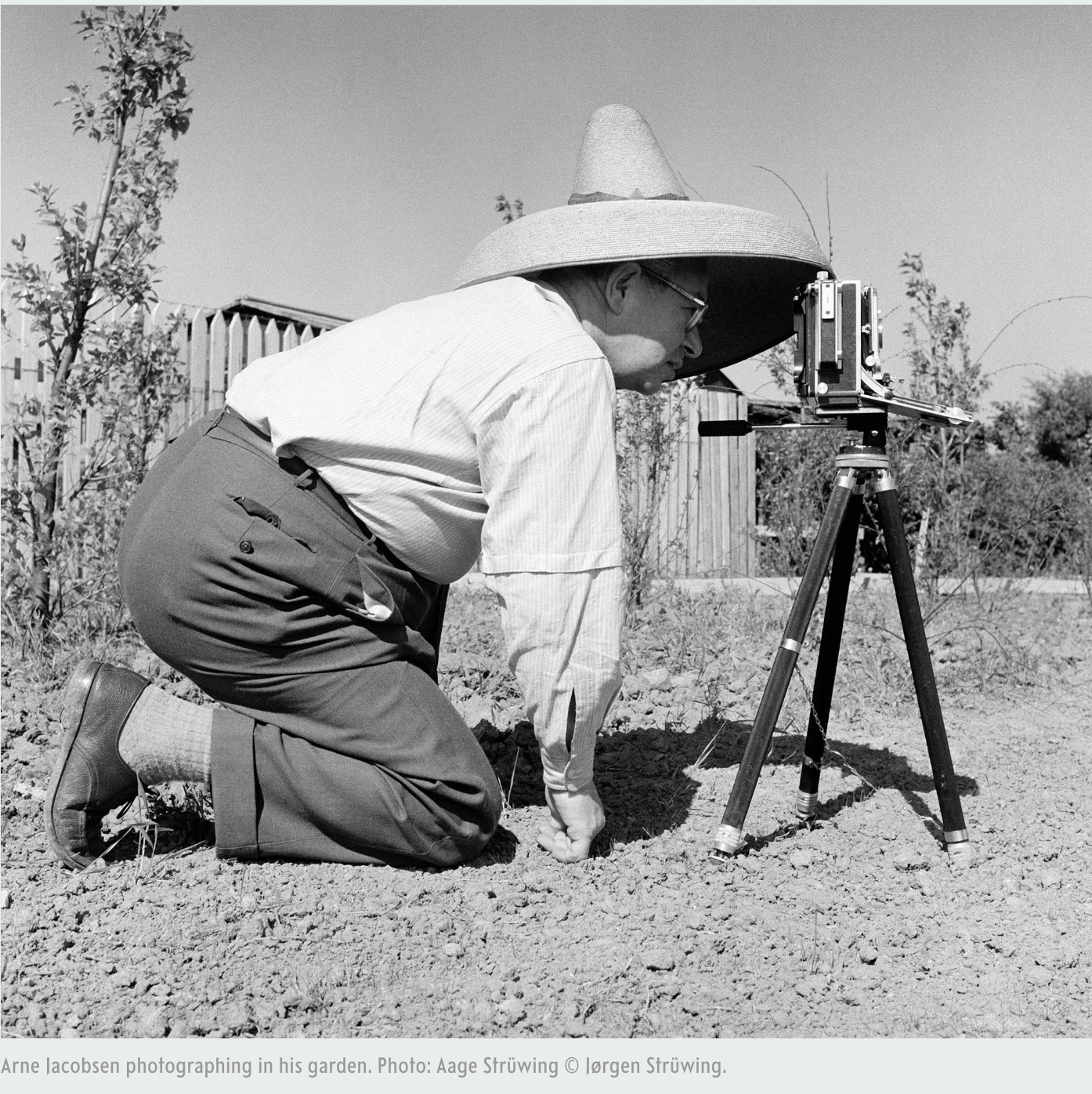
In other words, one of modernism's greatest designers may have found his design inspiriation because he was a gardener.
Ib Kofod-Larsen: The Danish Designer Who Found Fame Abroad
While many Danish designers became famous at home first, Ib Kofod-Larsen took a different path.
Although he won prestigious design awards early in his career, he never received the same level of recognition in Denmark as some of his contemporaries. So he looked elsewhere.
That decision paid off.
By the 1950s, Kofod-Larsen had become one of the best-selling Danish furniture designers in America, with work produced in Denmark, Sweden, Germany, England, Japan, and the United States.
His breakthrough came after winning awards from both the Holmegaard Glass Competition and the Danish Cabinetmakers Guild. Those honors led to a relationship with Faarup Møbelfabrik, where he designed some of his most celebrated pieces, including the iconic Model 66 sideboard.
Kofod-Larsen had a gift for letting the materials speak for themselves. Rich rosewood, warm teak, and luxurious leather became the stars of his designs.
His Seal Chair and Penguin Chair remain among the most recognizable pieces of Scandinavian furniture ever produced.
Not bad for a designer who had to leave home to find his audience.
Rare Pair of Vintage Elizabeth Lounge Chairs by Ib Kofod Larsen
$49,995.00
An exceptional and rare pair of original "Elizabeth" lounge chairs designed by Ib Kofod-Larsen for Christensen & Larsen in 1956 — a landmark design in the canon of Danish Modern furniture. Sculpted from solid teak, these chairs represent the pinnacle of… read more

Edward J Wormley: The Luckiest Man in Modern Design?
Edward J Wormley's life almost ended before his career truly began.
At just 23 years old, he was riding a train to Chicago when it collided with a car and derailed. Wormley was thrown through the window of the locomotive.
Eleven people were killed.
Miraculously, Wormley landed in a mud puddle and walked away virtually unharmed.
Remarkably, this wasn't the only hardship he faced. Yet throughout his life, Wormley rarely discussed personal adversity publicly. Friends and colleagues often noted his ability to simply move forward.
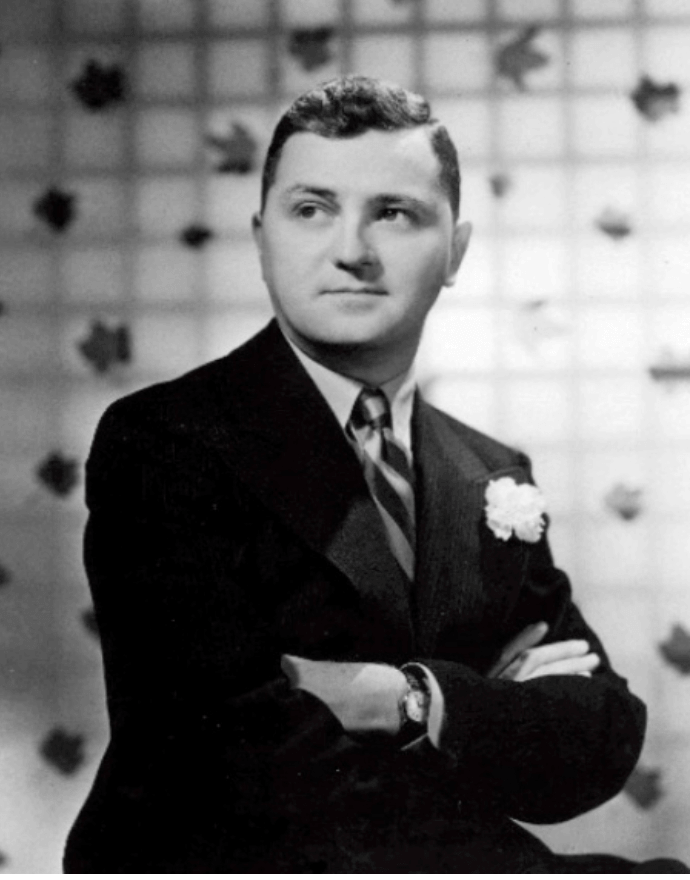
Before becoming the design director of Dunbar Furniture, Wormley studied at the Art Institute of Chicago but was forced to leave when money ran out. He then worked at Marshall Field's, where he designed furniture that never made it into production.
Fortunately, Europe changed everything.
During a trip abroad in the early 1930s, he encountered influential figures including Le Corbusier and Art Deco master Émile-Jacques Ruhlmann, experiences that helped shape his unique approach to modernism.
In 1949, Wormley joined an extraordinary group of designers that included Salvador Dalí, Ray Eames, and George Nelson to create textiles for Schiffer Prints. The resulting "Stimulus Collection" was praised by The New York Times as one of the most brilliant modern print collections introduced after the war.
Not bad for a man who once survived being launched out of a moving train.
Edward Wormley "Snack" Side Table for Dunbar
$5,495.00
A masterclass in elegant utility, this rare Model 4856 Snack Table by Edward Wormley for Dunbar distills mid-century American luxury into a single, sculptural form. Light in hand yet rich in detail, this is one of Wormley’s most charming—and the… read more

Sérgio Rodrigues: The Designer Who Made Modernism Comfortable
Early in his career, Sérgio Rodrigues was told by another designer that he had "no future in design."
History had other plans.
Over the course of his career, Rodrigues created more than 1,200 furniture designs and became one of the defining figures of Brazilian modernism.
His mission was simple: create furniture that reflected Brazilian life. Warm woods, rich leather, relaxed comfort, and forms suited to a tropical climate became his signature.
His famous Mole Chair almost never happened. Originally designed for a friend, the piece was considered too expensive to produce. A few years later, it won a major international design competition in Italy and became one of the most celebrated chairs of the twentieth century.
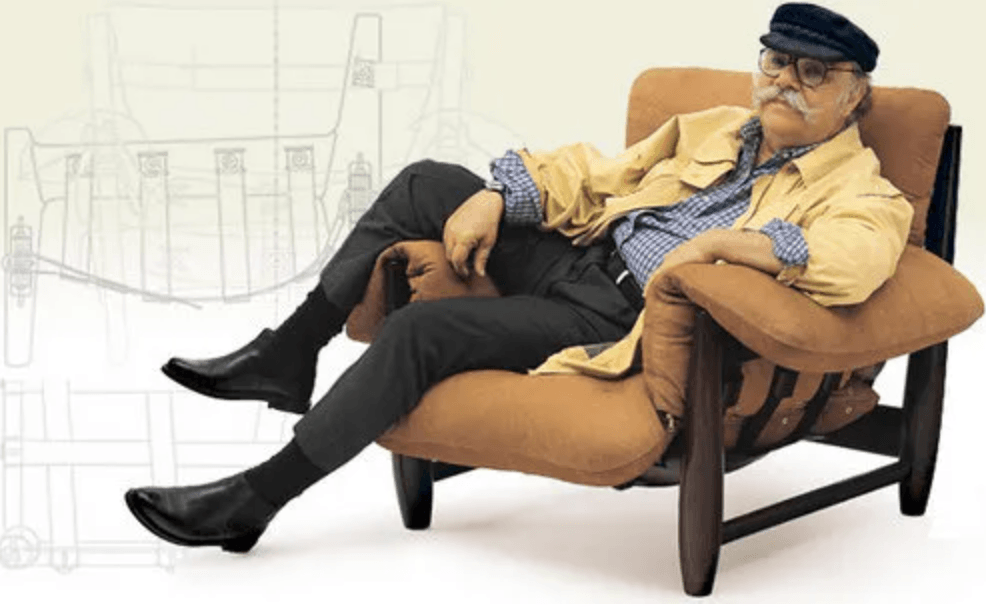
Another iconic design, the Chifruda Chair, was deemed too costly to manufacture and largely disappeared. Decades later, an original prototype surfaced in a Rio de Janeiro pawn shop, reigniting interest in the design.
Rodrigues also worked closely with architect Oscar Niemeyer, furnishing many of Brasília's landmark buildings. In tribute, he even named one of his chairs "Oscar."
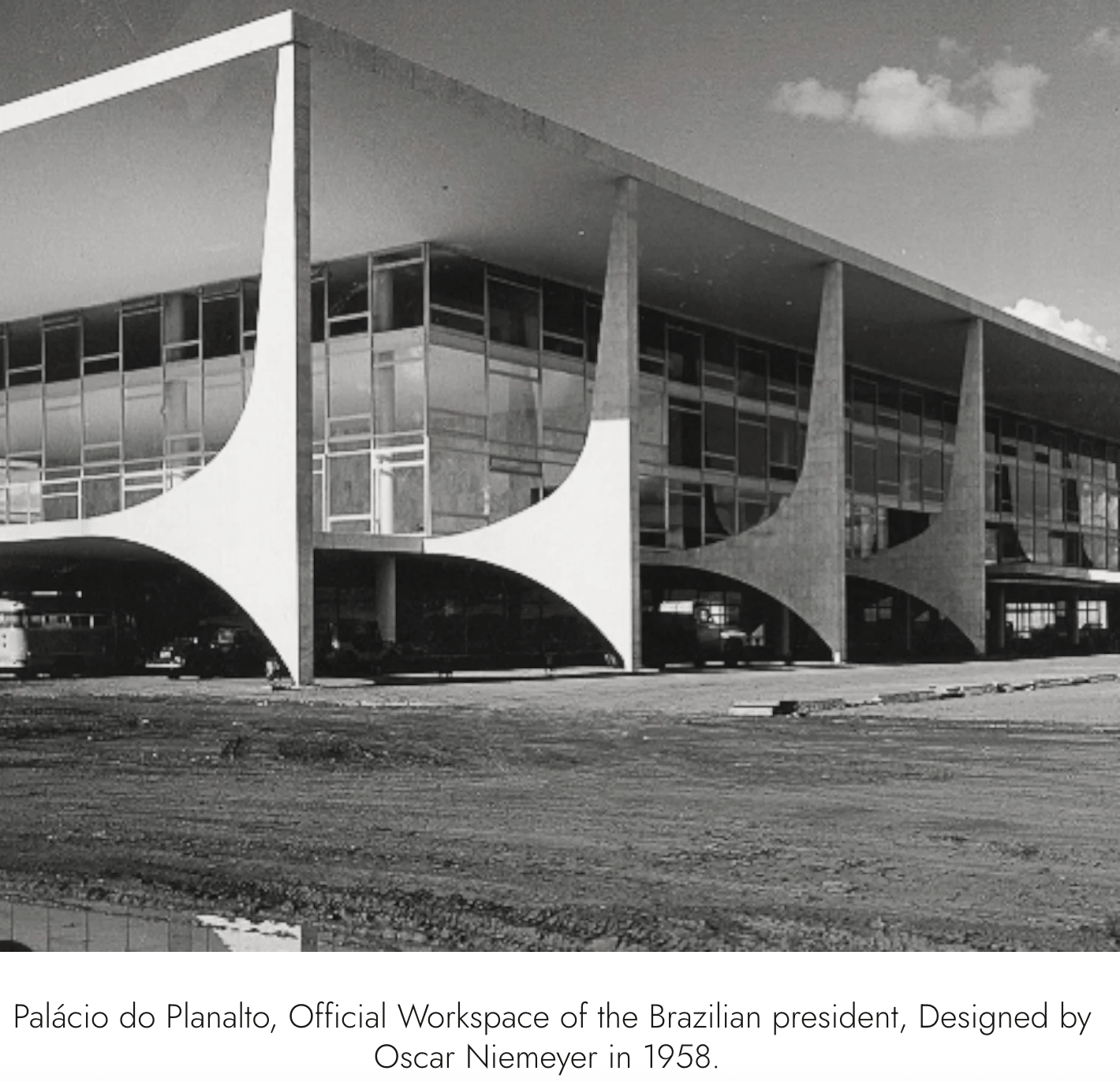 Sergio Rodrigues is considered the "father of Brazilian furniture" and heavily influenced the iconic look of the country's capital, Brasília
While many modernists focused on sleek efficiency, Rodrigues focused on comfort.
You could argue he didn't just bring modern design to Brazil.
He brought Brazil to modern design.
Sergio Rodrigues “Mischievous” Chair and Ottoman, Brazil
$16,995.00
This sculptural Sergio Rodrigues Mischievous Chair and Ottoman is the very epitome of Brazilian modern design—bold, sensual, and unapologetically grounded in the natural beauty of Brazilian hardwoods. Crafted from solid rosewood, the frame showcases the richness and density that made… read more

Until Next Time...
That's all for this edition of the Hobbs Modern Rumor Desk.
A wartime escape by rowboat. A designer thrown from a train. A prototype rescued from a pawn shop. A newspaper demanding an architect be banned for life.
And you thought they just designed furniture.
Remember: today's controversial architect is tomorrow's design legend. And somewhere, right now, a designer is probably being told they have no future.
History suggests they shouldn't listen.
Stay curious.
— The Hobbs Modern Rumor Desk
Quick Guide: The Designers Featured in This Rumor Desk
| Designer | Known For | Signature Materials | Fun Fact |
|---|---|---|---|
| Arne Jacobsen | Egg Chair, Swan Chair, Danish modern architecture and so much more | Upholstery, steel, plaster prototypes | Escaped Denmark during WWII by boat with help from the Danish resistance |
| Ib Kofod-Larsen | Model 66 Sideboard, Seal Chair, Penguin Chair, Elizabeth Chair, Seal Chair | Teak, rosewood, leather | Became one of the best-selling Danish designers in America during the 1950s |
| Edward J Wormley | Dunbar furniture, refined American modernism | Walnut, mahogany, brass, upholstery | Survived being thrown from a derailed train at age 23 |
| Sérgio Rodrigues | Mole Chair, Chifruda Chair, Mischievous chair, Brazilian modern design | Jacaranda, leather, solid wood | Was once told he had “no future in design” |
Key Takeaways
- Arne Jacobsen blended architecture, furniture, painting, and botany into one complete design language.
- Ib Kofod-Larsen helped bring Danish modern furniture to an international audience.
- Edward J Wormley refined American modernism with elegance, proportion, and craftsmanship.
- Sérgio Rodrigues brought warmth, comfort, and Brazilian character to modern furniture.
- Each designer faced rejection, controversy, danger, or obscurity before becoming an important figure in design history.
Featured Furniture & Designs Mentioned
- Arne Jacobsen Egg Chair
- Arne Jacobsen Swan Chair
- Ib Kofod-Larsen Model 66 Sideboard
- Ib Kofod-Larsen Seal Chair
- Ib Kofod-Larsen Penguin Chair
- Edward J Wormley Dunbar Furniture
- Schiffer Prints Stimulus Collection
- Sérgio Rodrigues Mole Chair
- Sérgio Rodrigues Chifruda Chair
- Sérgio Rodrigues Oscar Chair
FAQs
Who was Arne Jacobsen?
Who was Arne Jacobsen?
Arne Jacobsen was a Danish architect and designer known for the Egg Chair, Swan Chair, and some of the most important modernist buildings in Denmark. His work combined architecture, furniture, interiors, and organic forms inspired by nature. Jacobsen believed in "total design". When hired to build a building, he didn't just draw the walls. He designed everything inside, right down to the ashtrays, doorknobs, and teaspoons.
What is Ib Kofod-Larsen best known for?
What is Ib Kofod-Larsen best known for?
Ib Kofod-Larsen is best known for elegant Danish modern furniture made from teak, rosewood, and leather. His Model 66 sideboard, Seal Chair, Elizabeth Chair and Penguin Chair are among his most recognized designs.
Why is Edward J Wormley important?
Why is Edward J Wormley important?
Edward J Wormley helped define American modern furniture through his work with Dunbar. His designs balanced modern lines with traditional craftsmanship, making his furniture elegant, livable, and timeless.
What made Sérgio Rodrigues different from other modern designers?
Sérgio Rodrigues brought comfort, informality, and Brazilian warmth to modern furniture. His designs used rich woods and leather to create pieces that felt relaxed, playful, and deeply connected to Brazilian culture.
Why are these designers still collected today
Collectors value these designers because their work combines historical importance, exceptional craftsmanship, beautiful materials, and timeless design. Their furniture remains both functional and sculptural decades after it was first created.